Tidal flats at Spanish Banks, Aug 10th
Yesterday I ventured out to Spanish Banks at low tide, secretly hoping to encounter some of the Elegant Terns that were recently sighted nearby. I found no terns and ended up with wet feet and muddier than usual – but I was able to spend some time with small flocks of Western & Least sandpipers.
Least Sandpiper (Calidris minutilla)
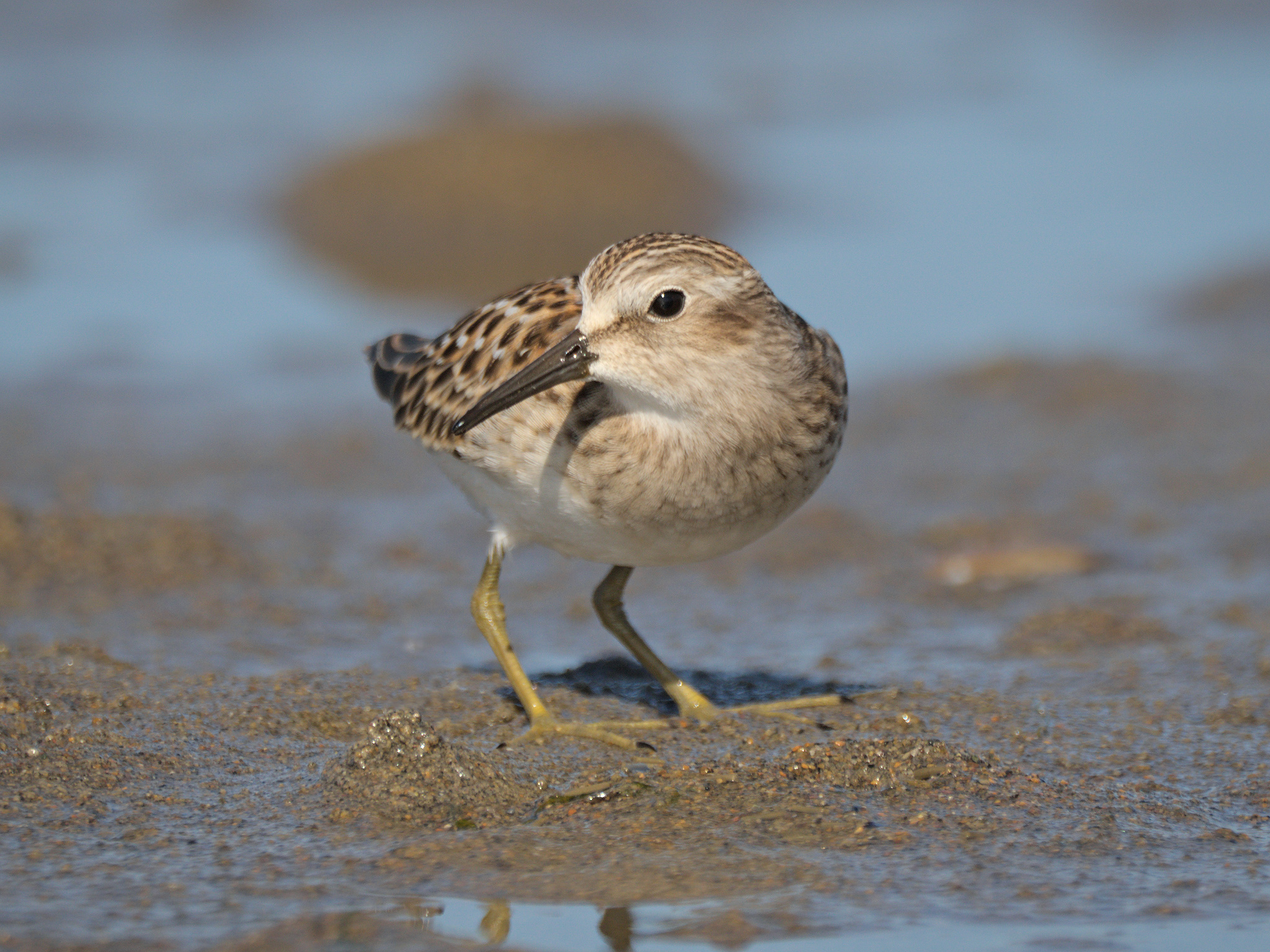
Sandpipers are tiny birds, and Least Sandpipers are the smallest of them all – measuring 13-15 cm from bill-tip to tail, and weighing 19-30 grams (around the same as a AA battery!). Collectively known as peeps, they can be challenging to identify. The greenish-yellow legs are one of the field marks for these birds.
Tidal Flats
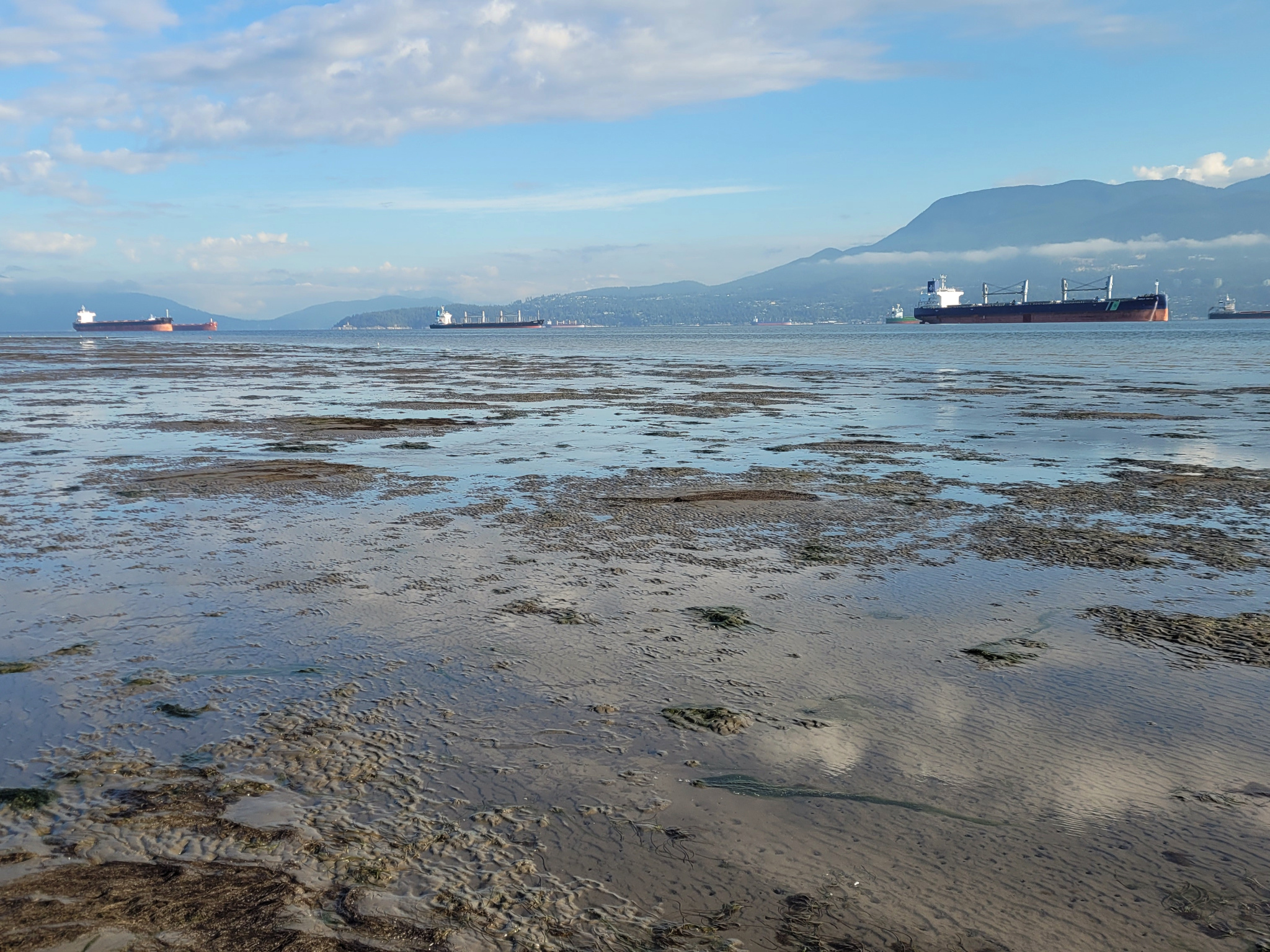
Looking westward over the tidal flats.
Western & Least Sandpipers (Calidris mauri & C. minutilla)
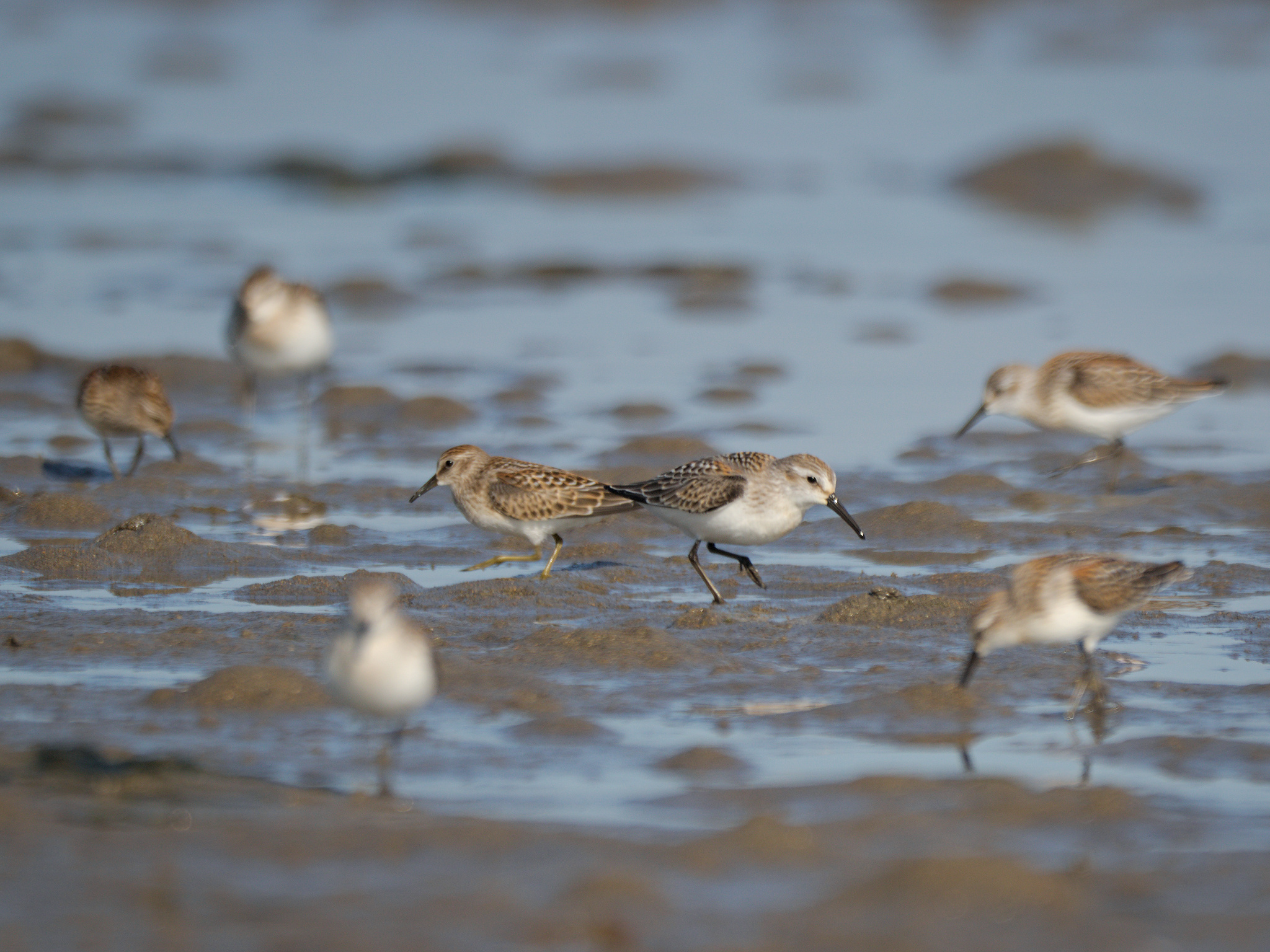
A group of Western & Least Sandpipers. The Western Sandpipers have an overall lighter appearance, with dark legs and a longer, slightly downcurved bill.
Western Sandpipers (Calidris mauri)
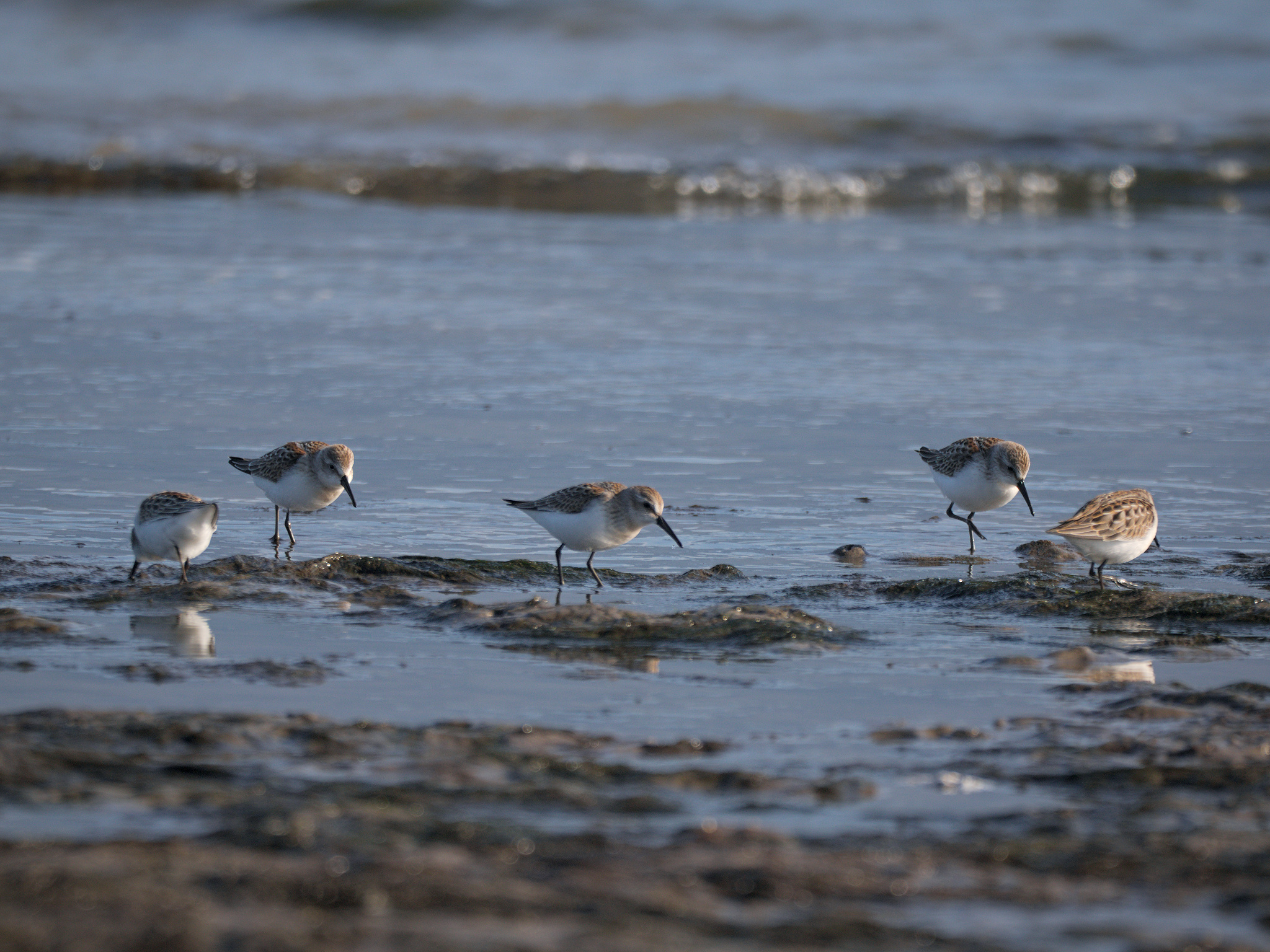
A group of Western Sandpipers near the edge of the tidal flats. Western Sandpipers are only slightly larger than Least Sandpipers: 14-17 cm, and weighting 22-35 grams.
Western Sandpiper (Calidris mauri)
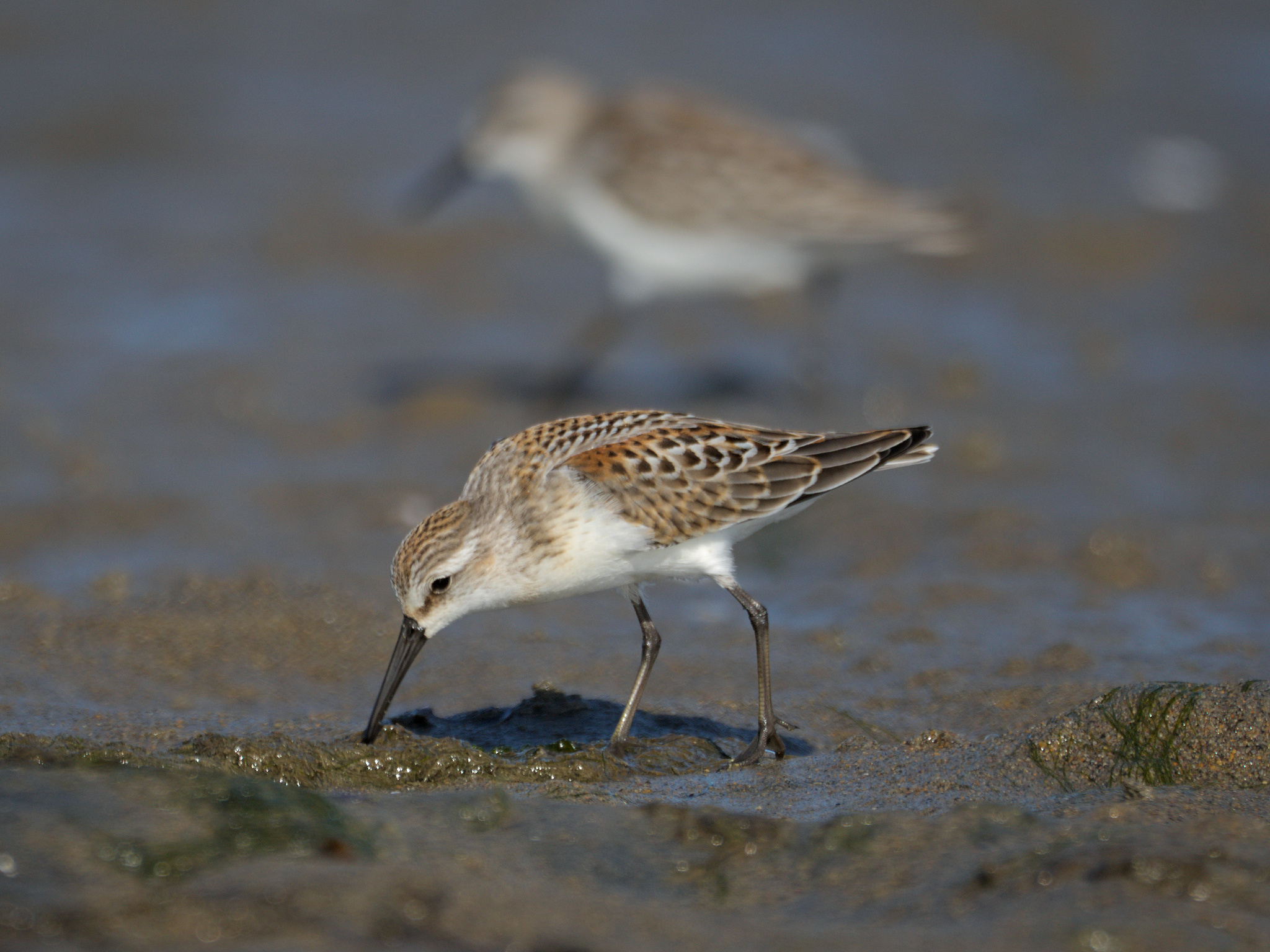
A Western Sandpiper feeding. Another field mark for these birds is the chestnut stripe down their backs.
Western Sandpiper (Calidris mauri)
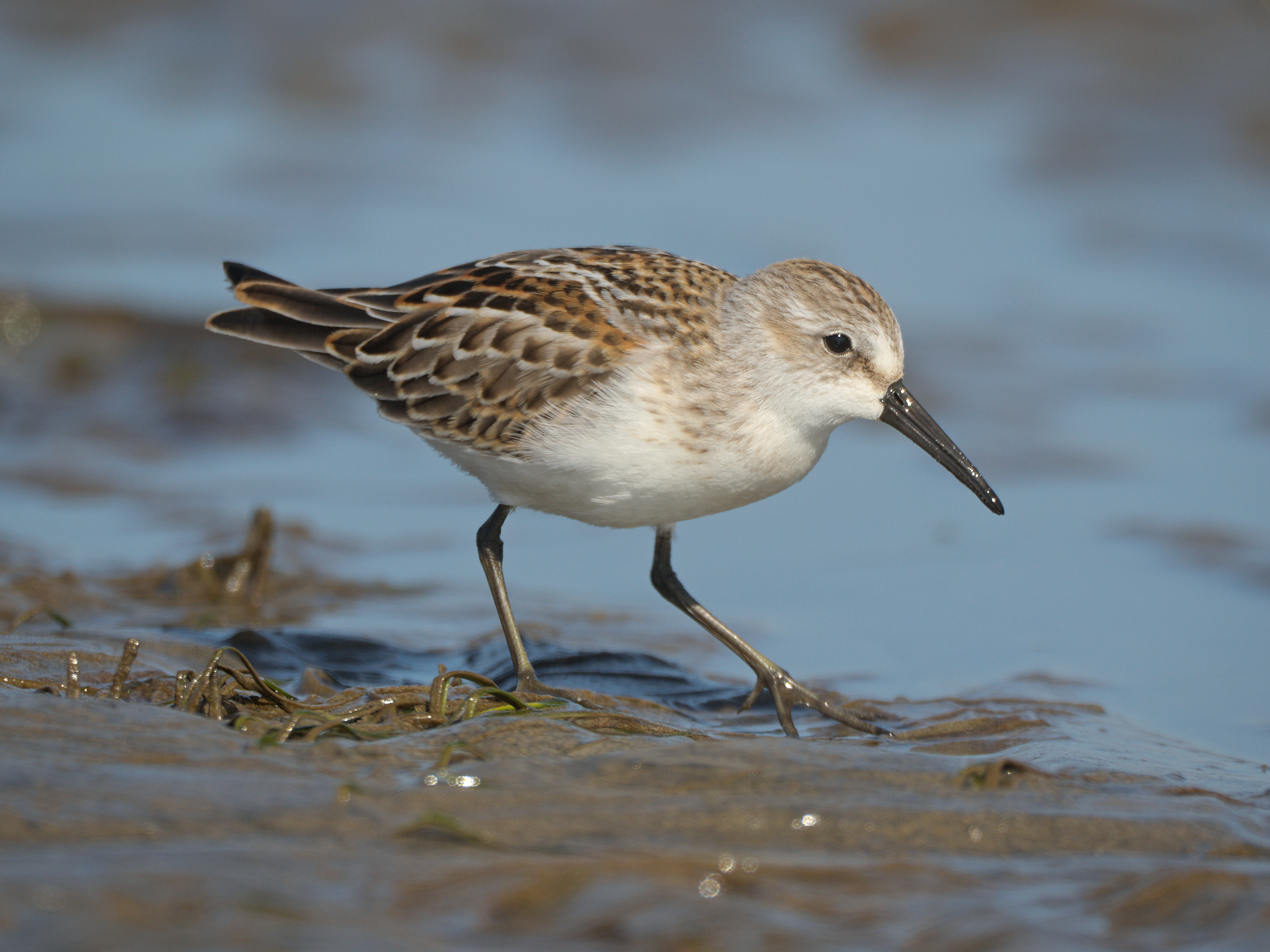
A closer view of a Western Sandpiper.
Least Sandpiper (Calidris minutilla)
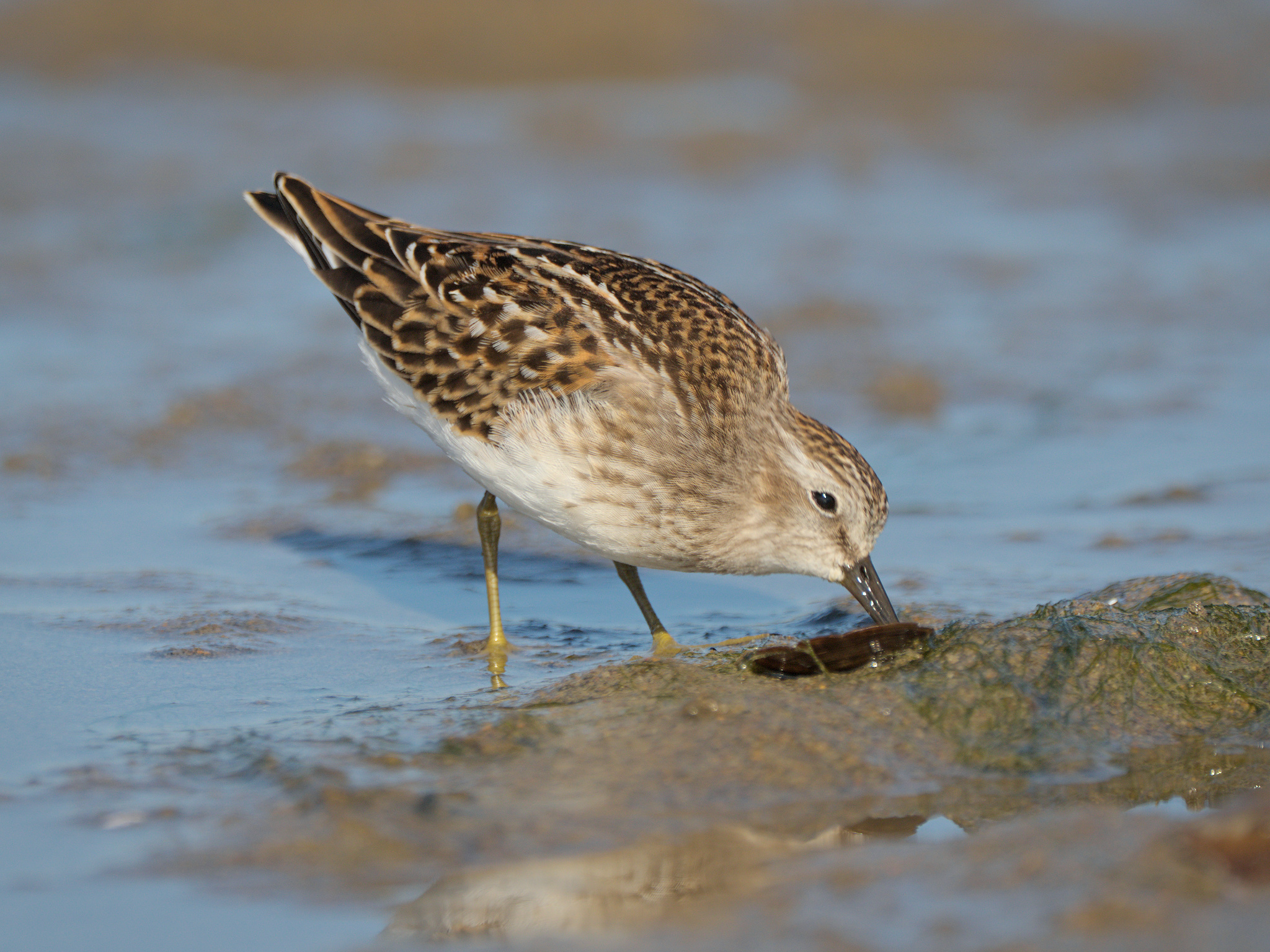
A Least Sandpiper foraging in the mud.
Least Sandpiper (Calidris minutilla)
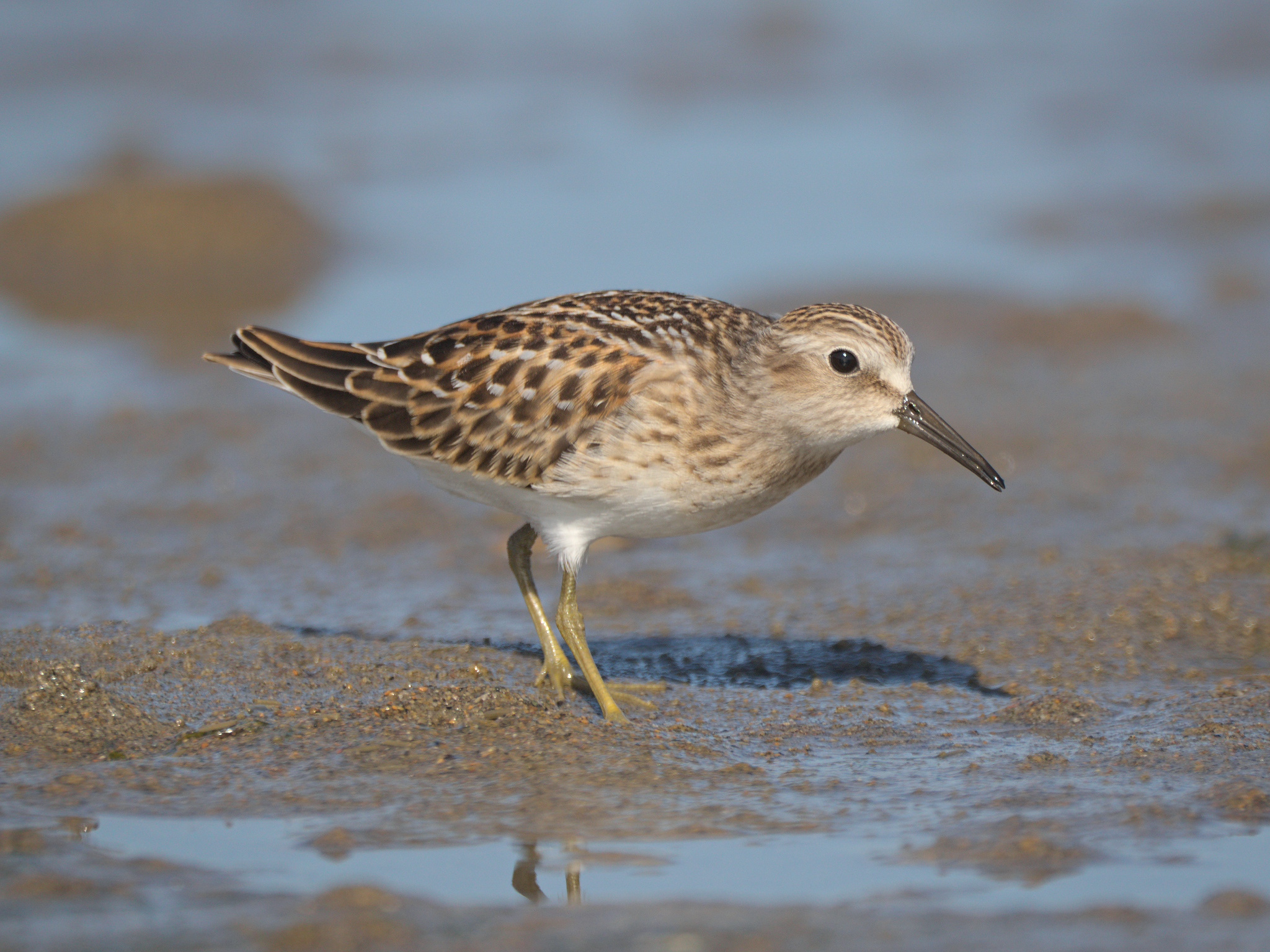
…and another Least Sandpiper.
Ring-billed Gull (Larus delawarensis)
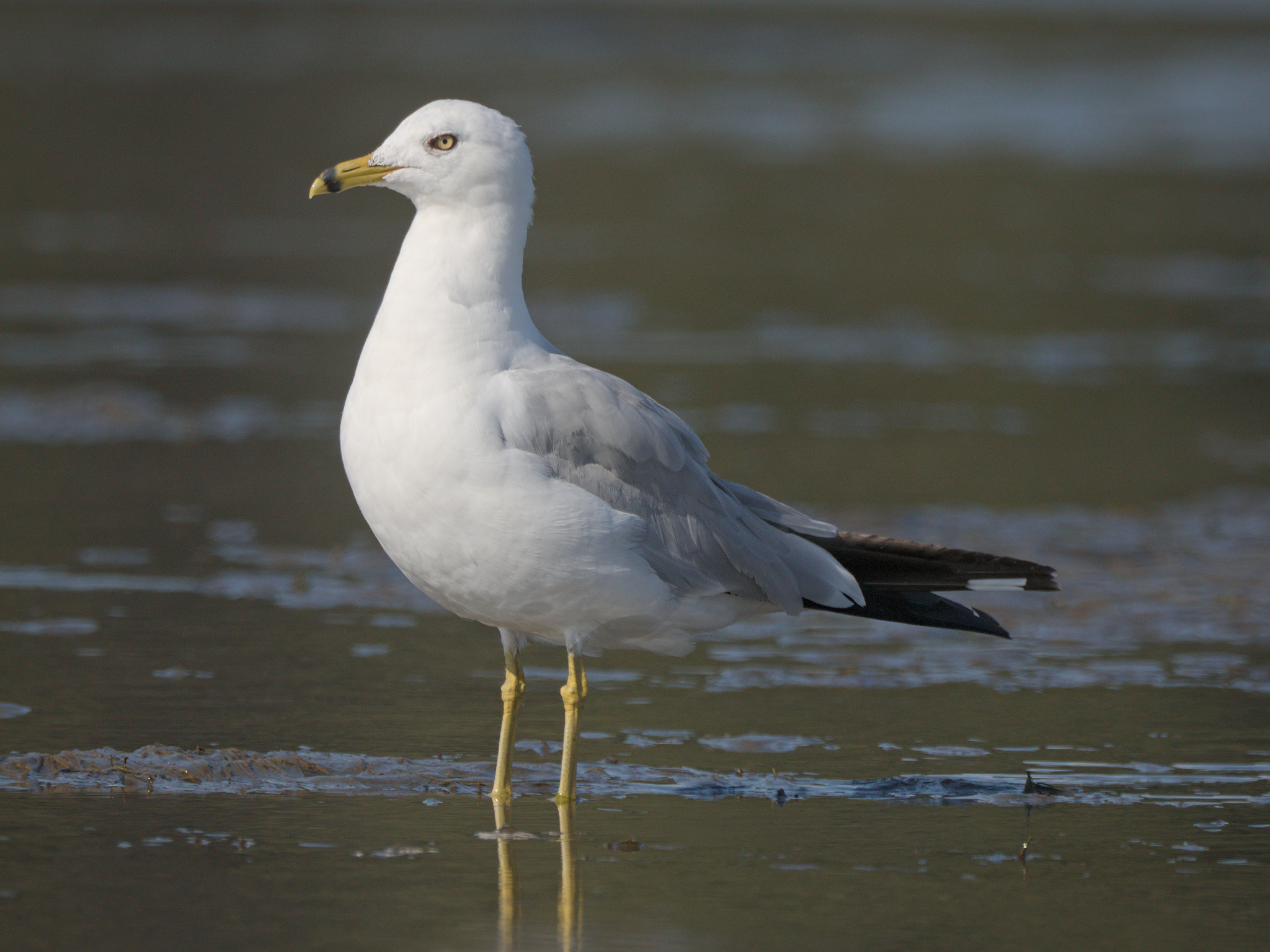
A Ring-billed Gull shows why they’re often described as looking angry.
Short-billed Gull (Larus brachyrhynchus)
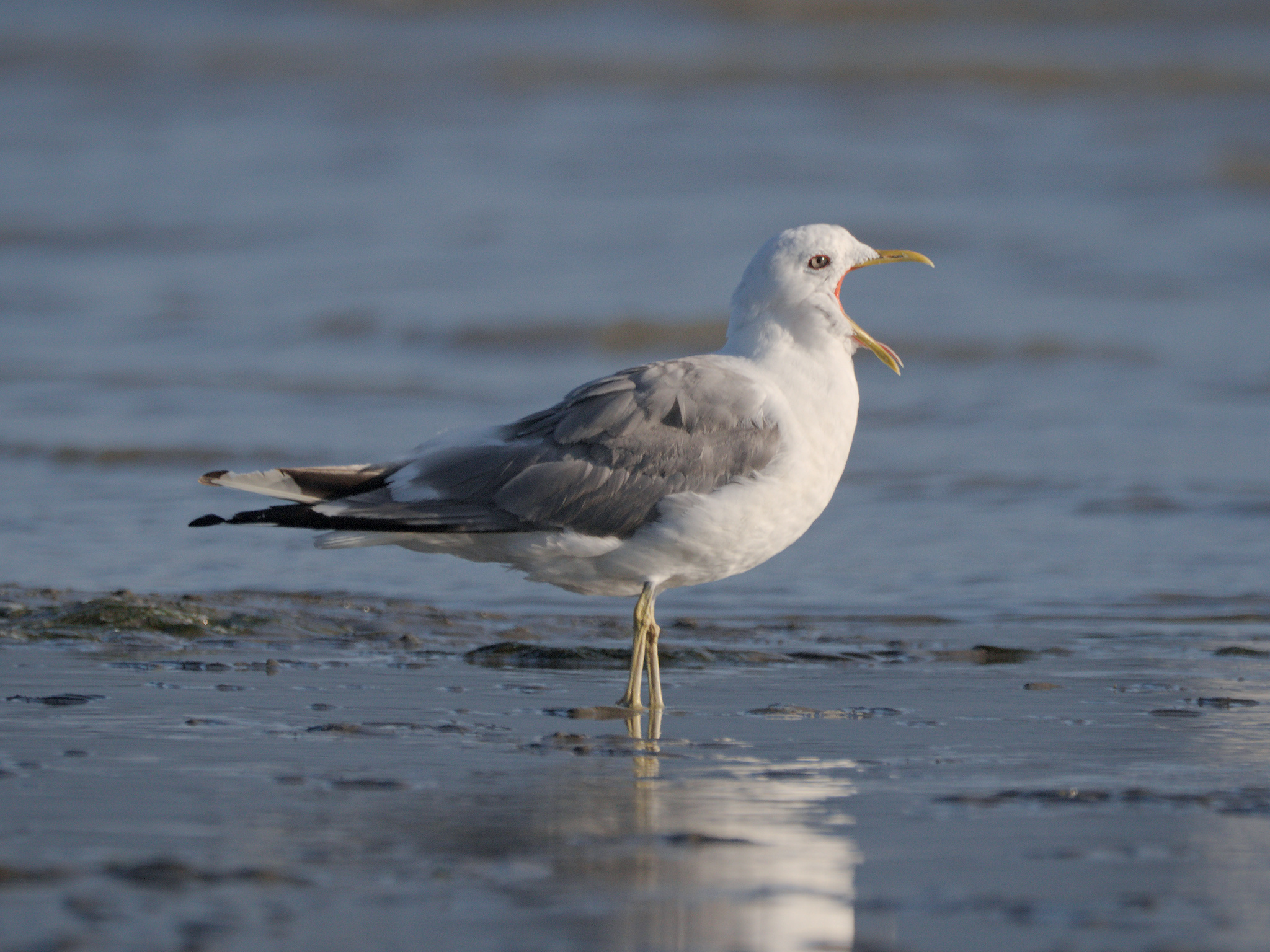
A Short-billed Gull caught mid-yawn. More often than not, the Short-billed Gulls I see have dark eyes, but their eye colour can be variable. This one has especially light eyes.
California Gull (Larus californicus)
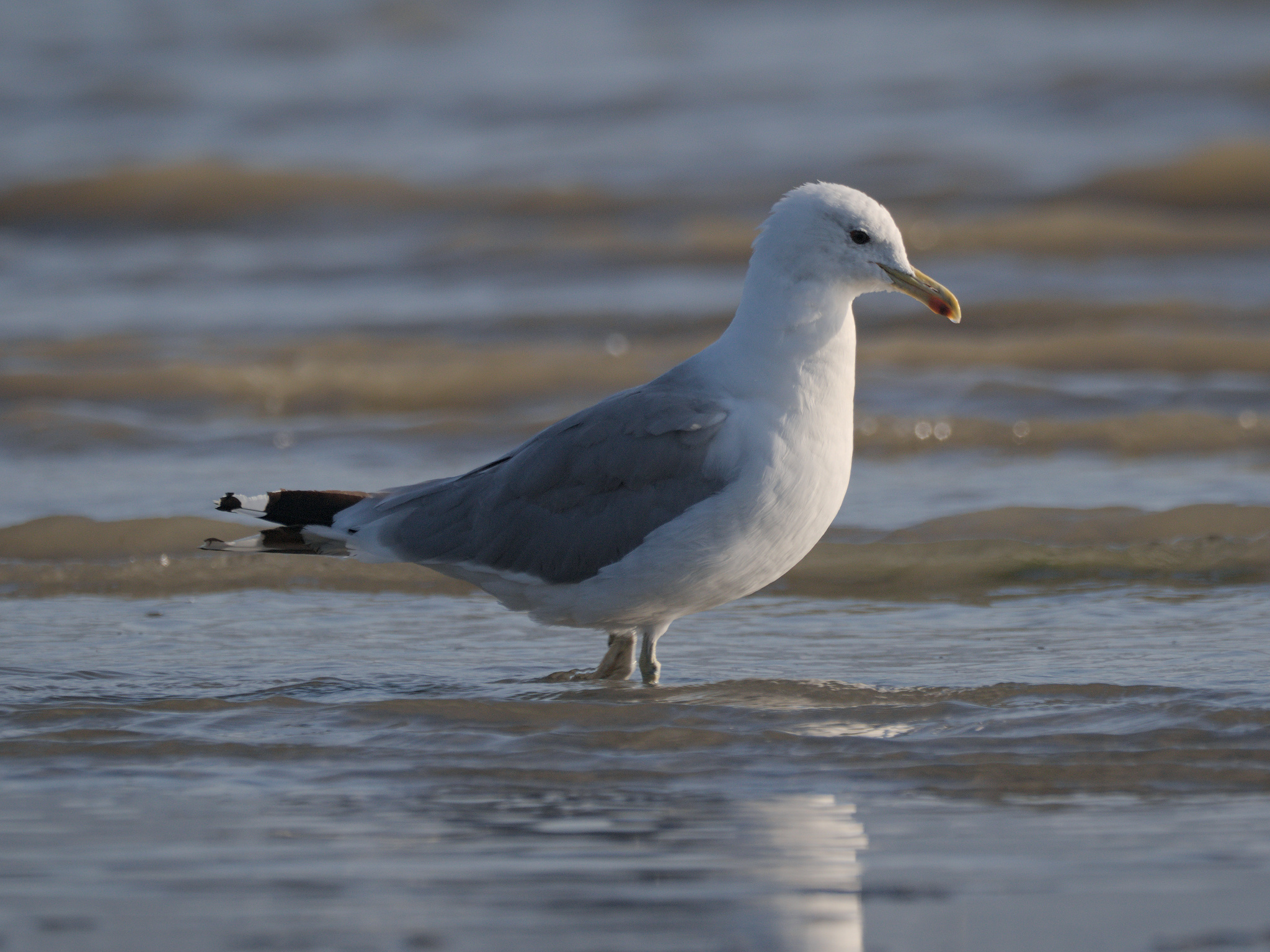
A California Gull searching for a meal in the shallow water.
Bonaparte’s Gull (Chroicocephalus philadelphia)
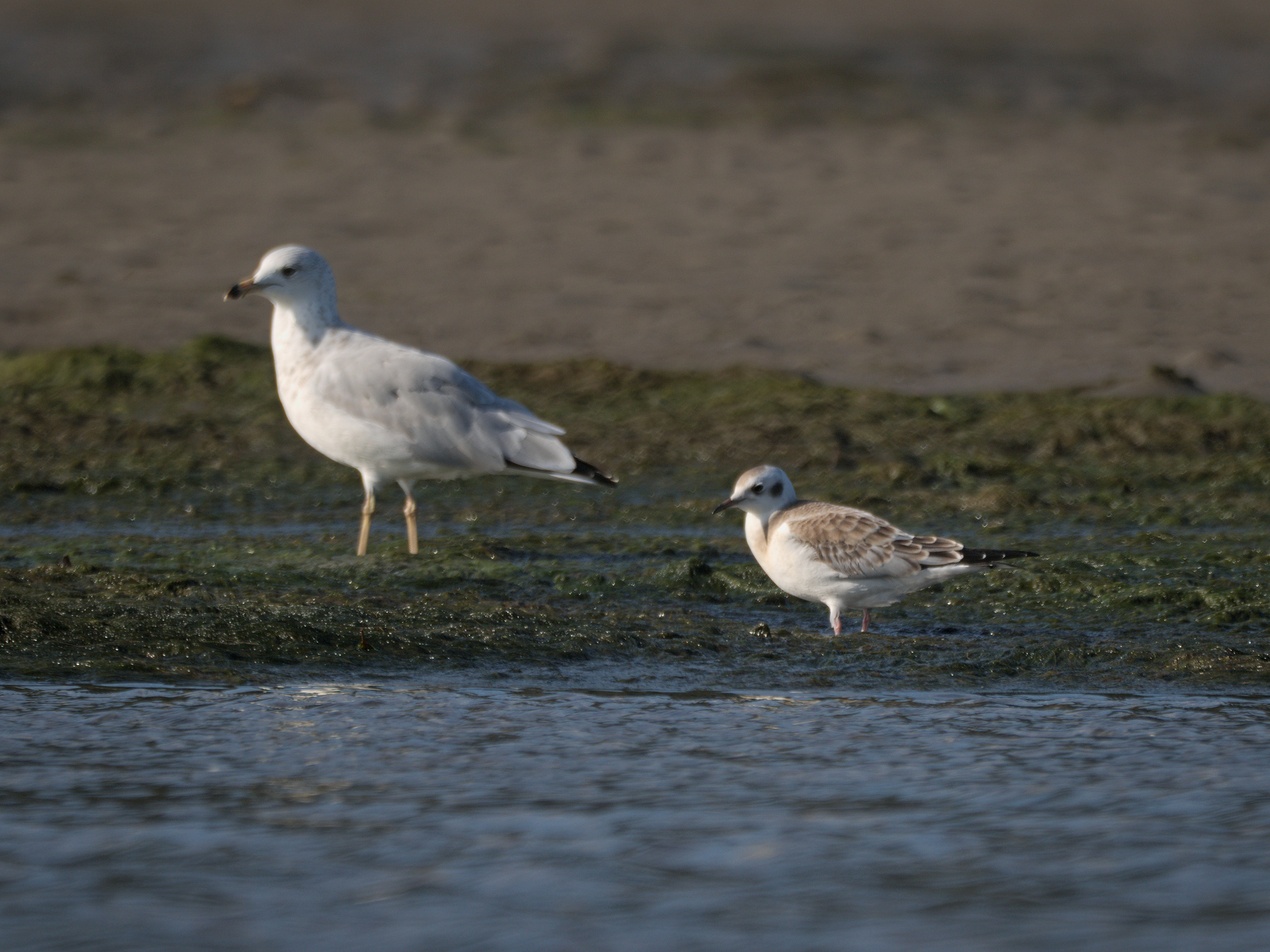
I was pleased to spot a young Bonaparte’s Gull foraging in the exposed seaweed with a few other gulls. The Ring-billed Gull in the background reveals how small these gulls are. They are the second smallest gull in the world, and their breeding biology remains enigmatic. They are the only gulls that make nests in trees, breeding in isolated areas of the boreal forests.
Great Blue Heron (Ardea herodias)
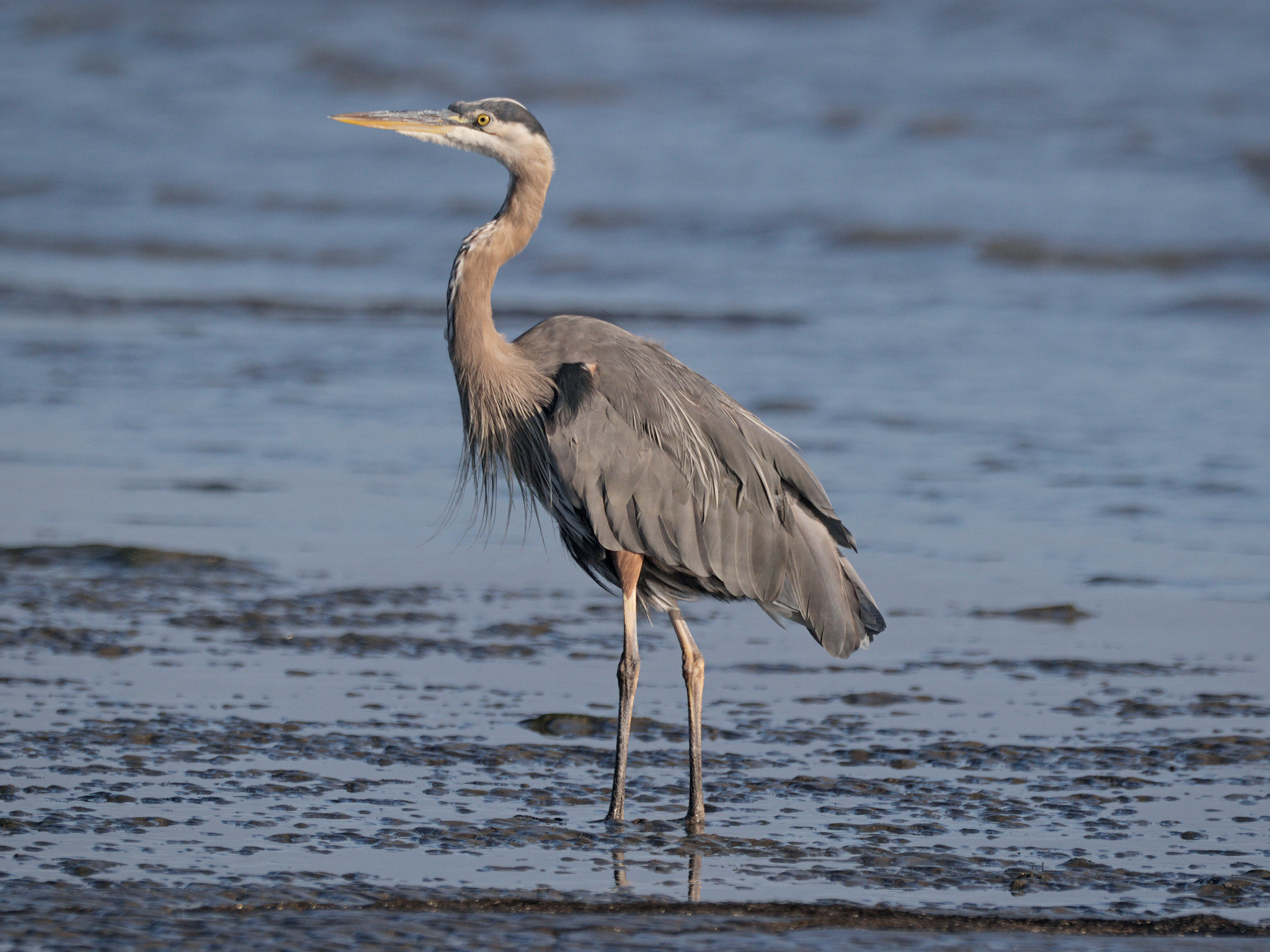
Waiting patiently at the edge of the water, a Great Blue Heron keeps an eye trained on me.
View towards downtown
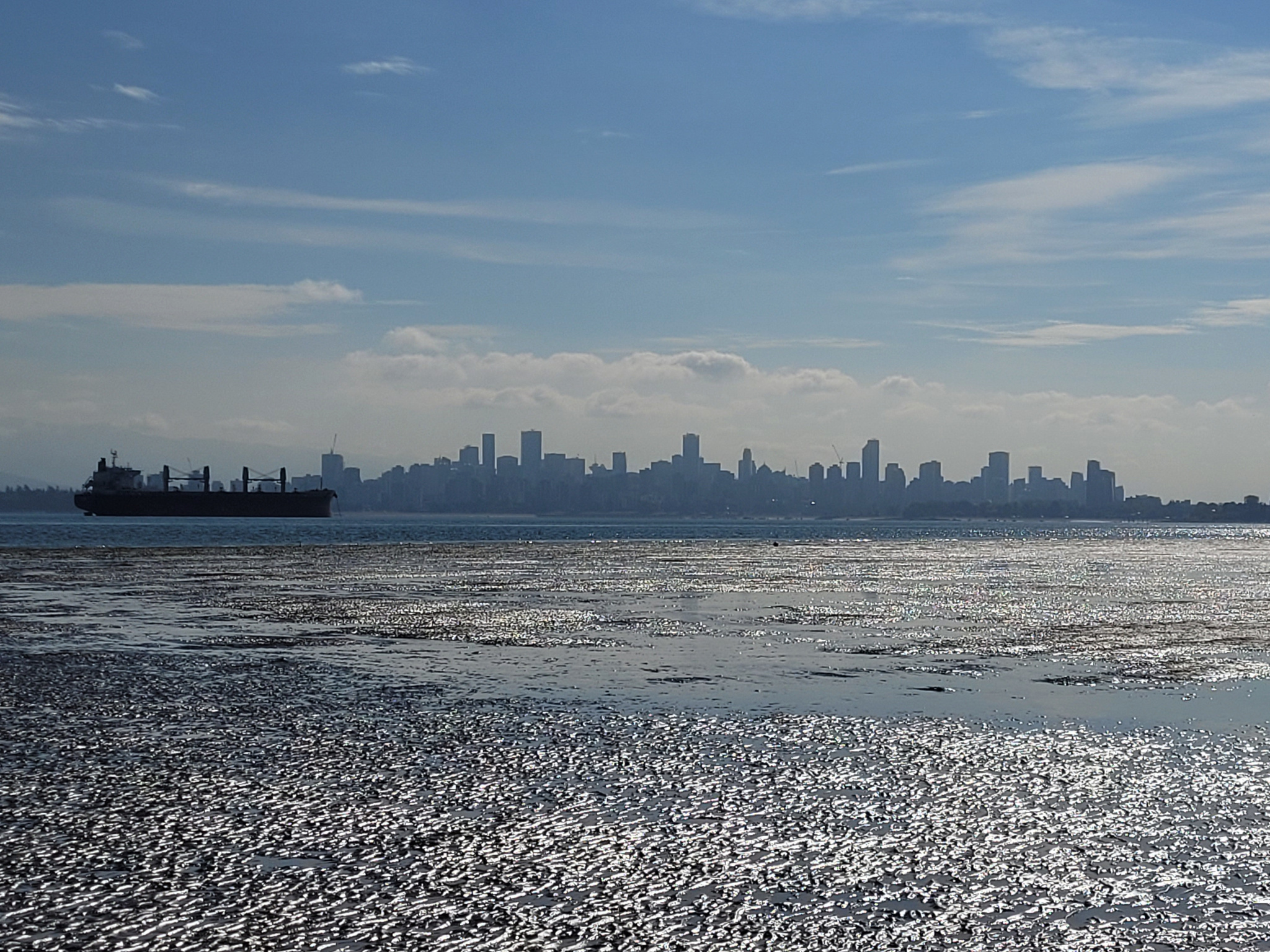
Downtown Vancouver, hazy on the eastern horizon.
Carolina Grasshopper (Dissosteira carolina)
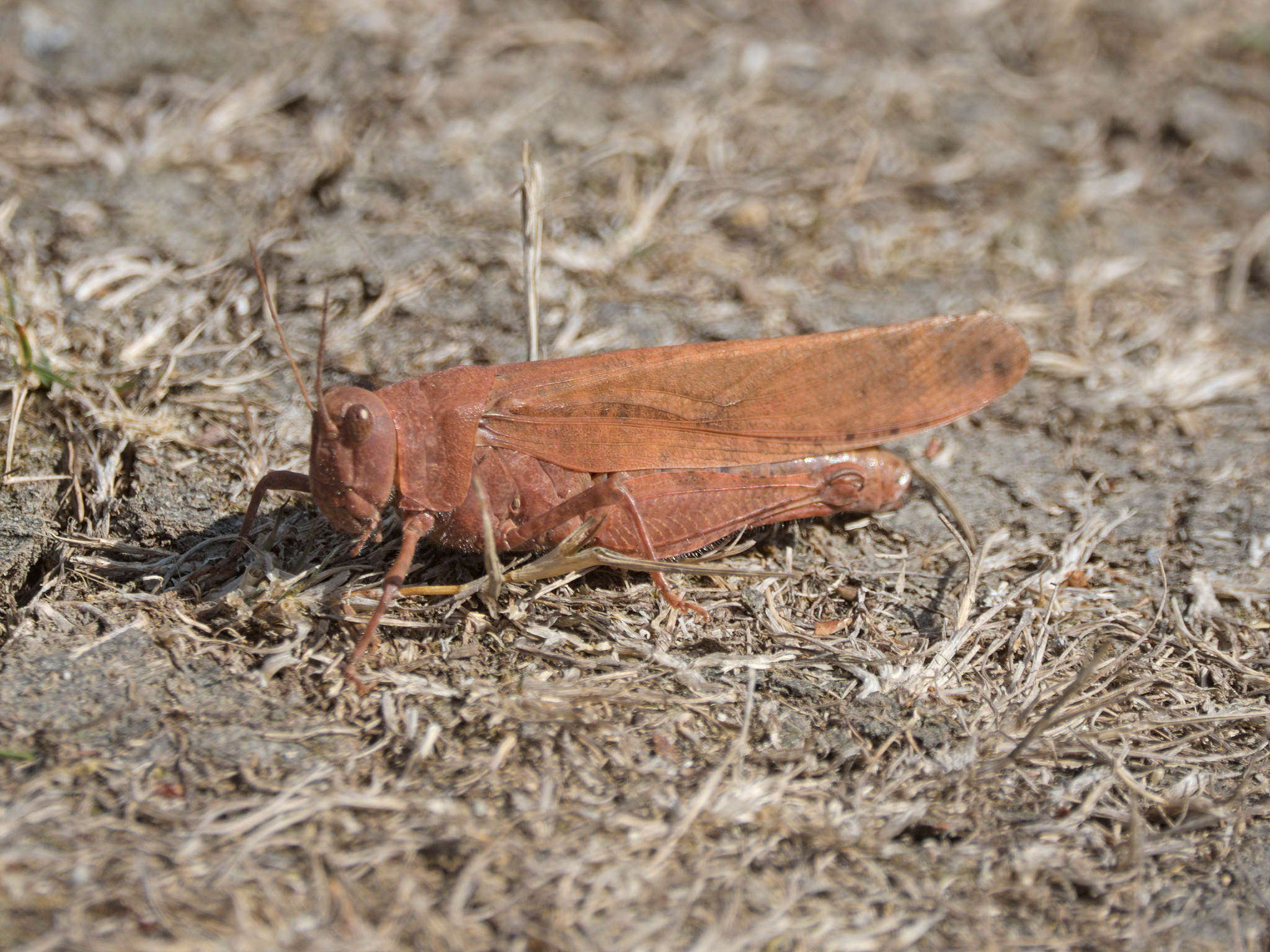
Finally, on my way home I passed through Jericho park and photographed this eye-catching grasshopper. iNaturalist identified it as a Carolina Grasshopper (Dissosteira carolina) and from what I can tell that seems correct, but no-one has verified my ID yet!
Until next time…