Wandering Stanley Park, part 2
As promised, here’s the second part of my recent photos from Stanley Park.
Common Raven (Corvus corax)
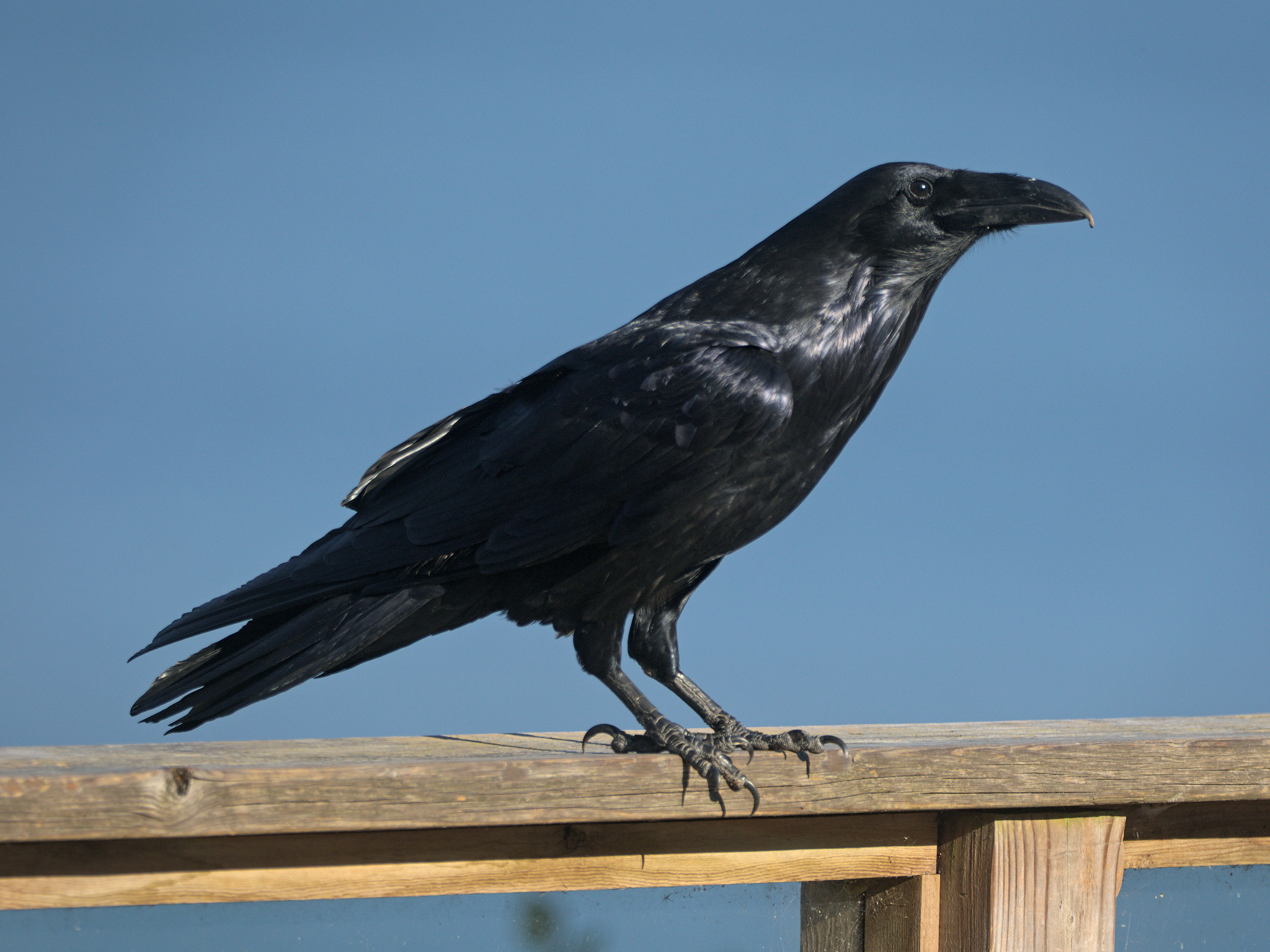
The park is home to a family of Common Ravens that are usually hard to miss – even if you don’t see them, you’ll almost certainly hear them. I found this adult near the Third Beach concession, one of their usual haunts.
White-crowned Sparrow (Zonotrichia leucophrys)
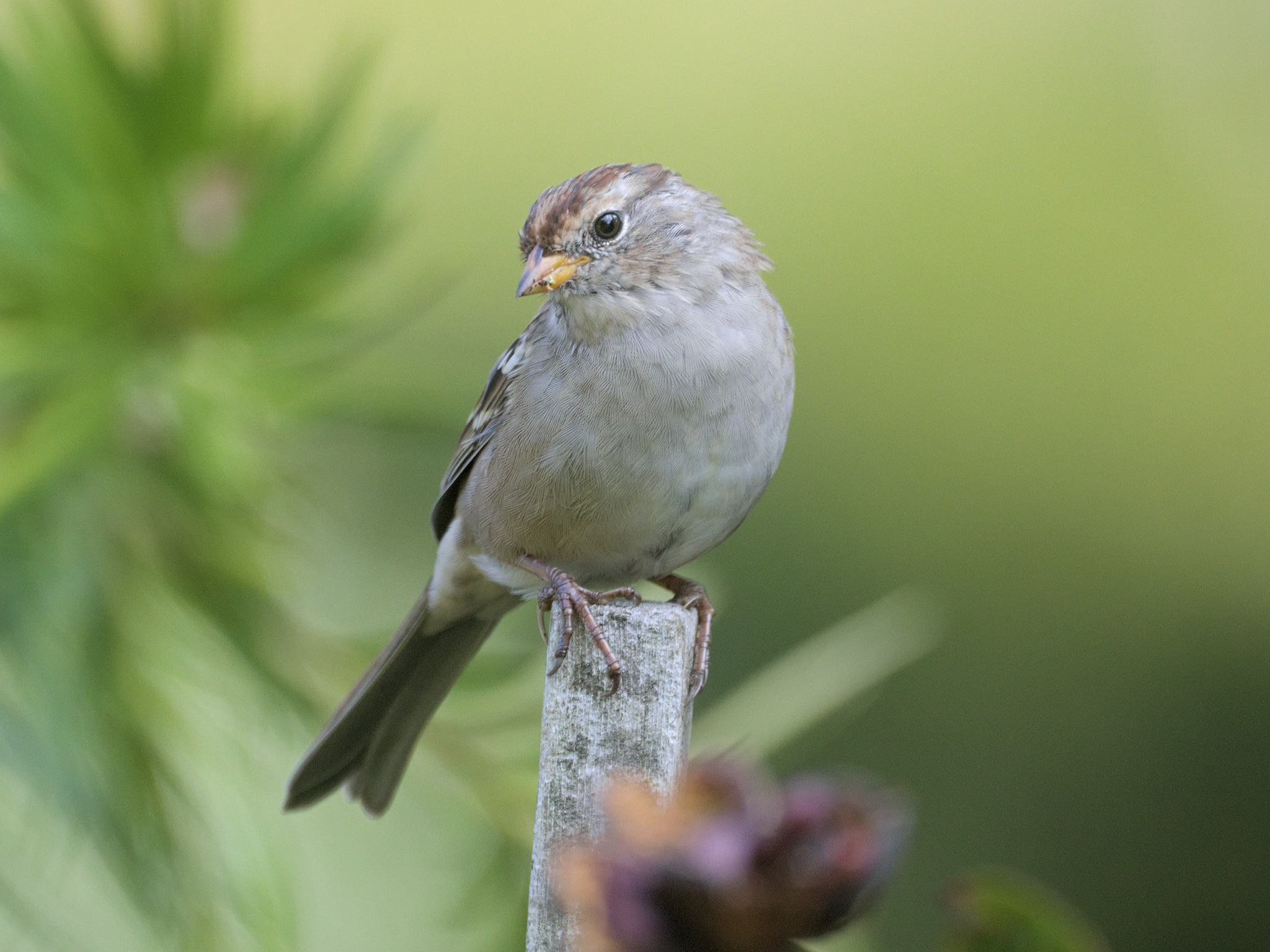
An immature White-crowned Sparrow keeps an eye on me.
White-crowned Sparrow (Zonotrichia leucophrys)
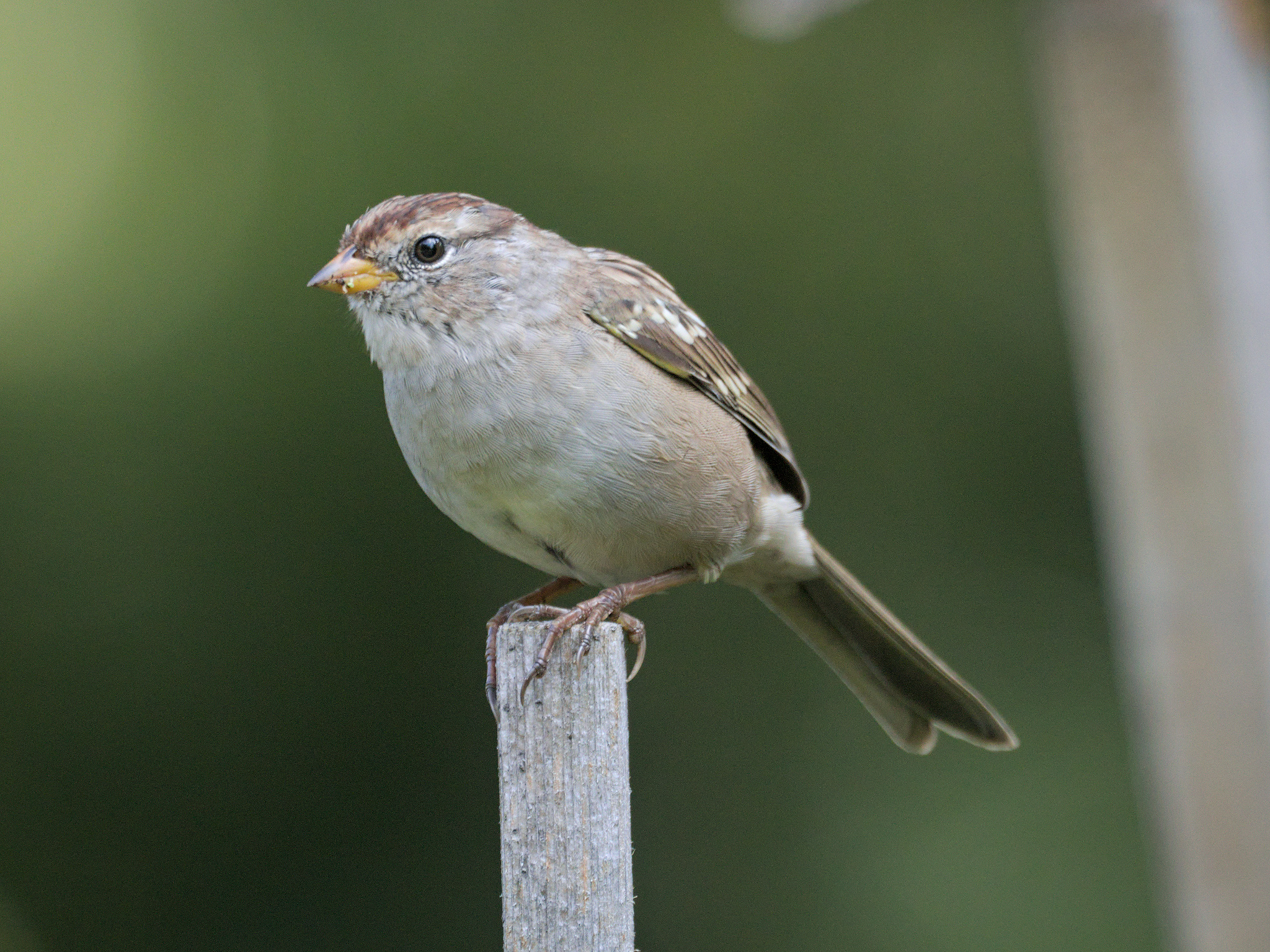
The same bird in another pose.
Western Sandpiper (Calidris mauri)
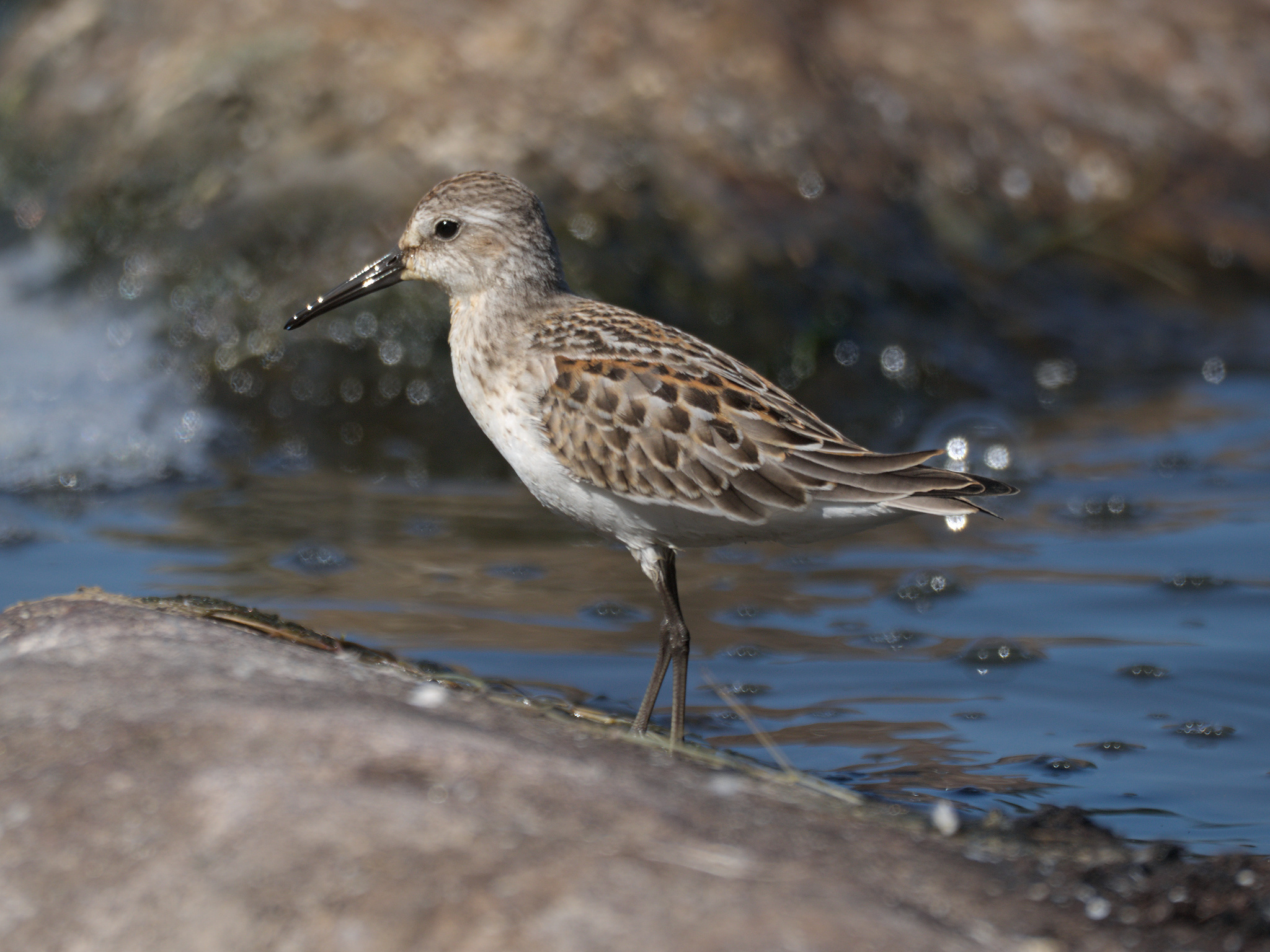
A Western Sandpiper near the edge of Lost Lagoon.
Common Raccoon (Procyon lotor)
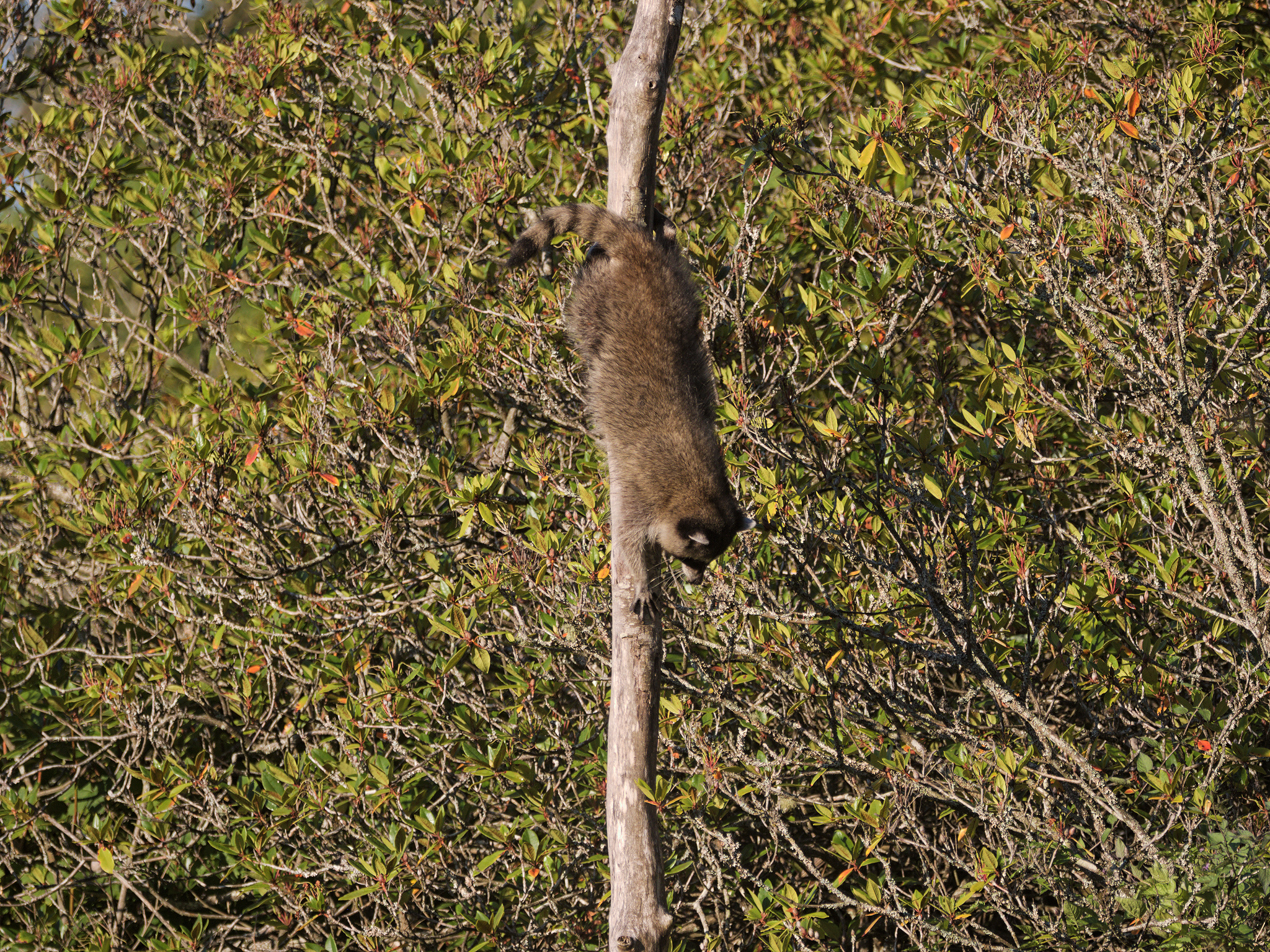
The air filled with the alarm calls of many birds – especially chickadees – and I search around expecting to find a hawk nearby. Instead, I spotted this Common Raccoon cautiously scaling a bare tree. I couldn’t see any reason why it was up there.
Western Maidenhair Fern (Adiantum aleuticum)
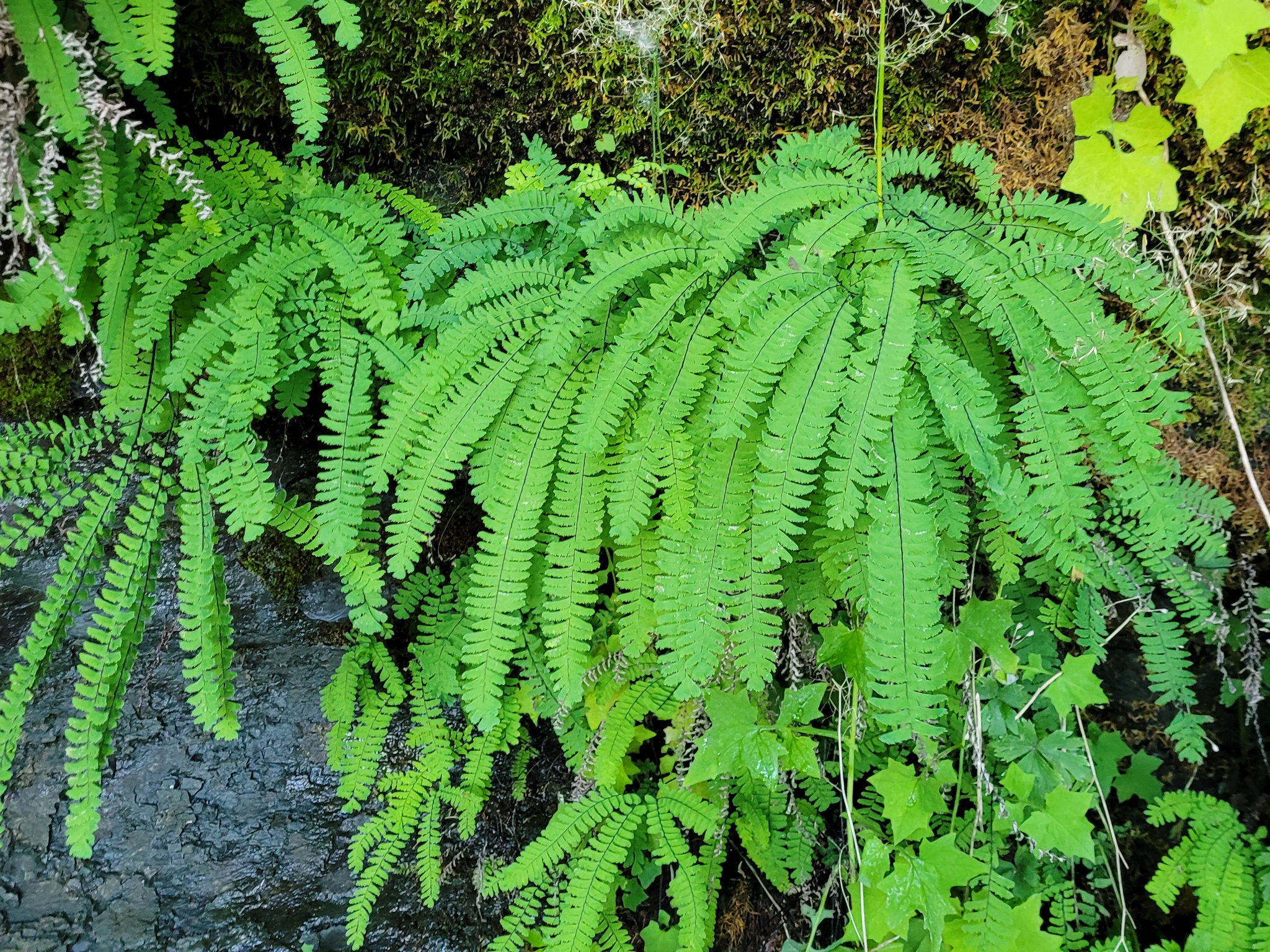
Ferns are easy to overlook; they have no showy flowers and are often overshadowed by the looming conifers in the remnents of our coastal forests. I see them in a completely new way knowing their story goes back over 400 million years. They’ve survived through mass extinctions, through ice ages. They were already ancient residents of this planet before evolution developed seeds and before dinosaurs walked the earth.
Western Maidenhair Fern is a distinctive fern that generally grows in damp rock crevaces. There are a few locations along the cliffs on the Stanley Park seawall where you can find them. They have quite a distinctive fan-shaped growth pattern and characteristic black stems.
Northern Shoveler (Spatula clypeata)
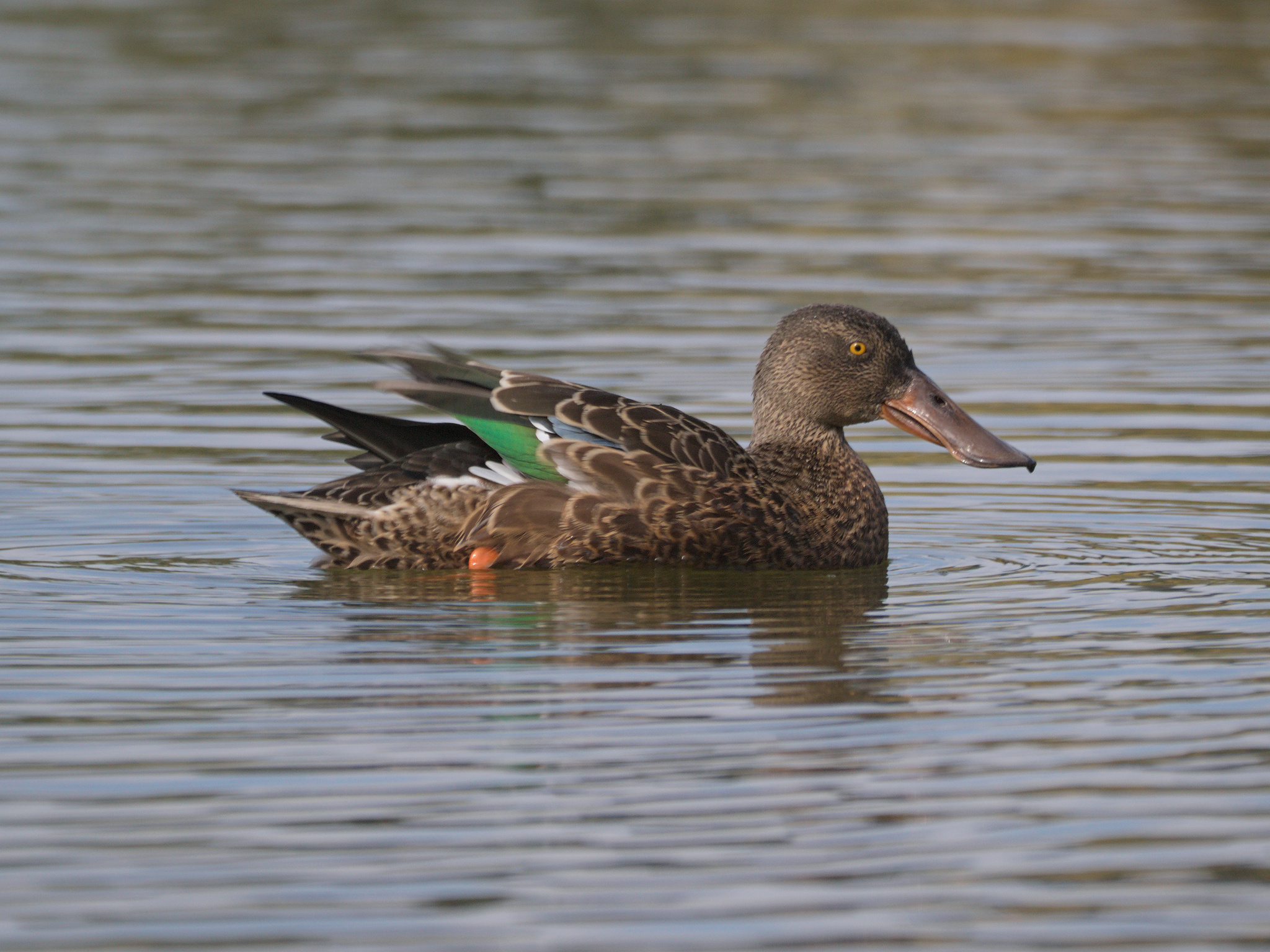
A sign that autumn is on the way. A Northern Shoveler at Lost Lagoon.
Exposed roots
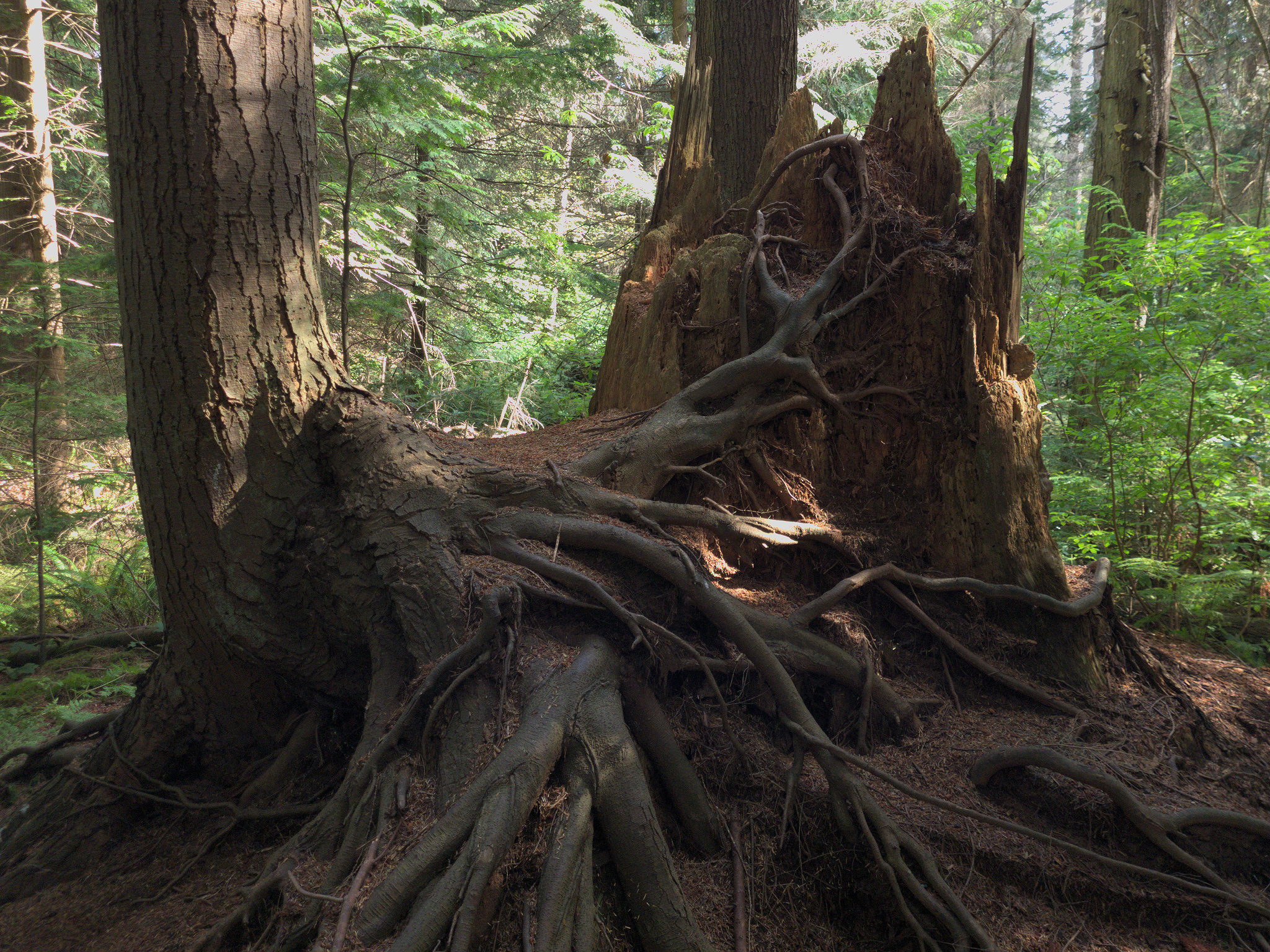
A Western Hemlock (Tsuga heterophylla) growing on the stump of a Red Cedar (Thuja plicata).
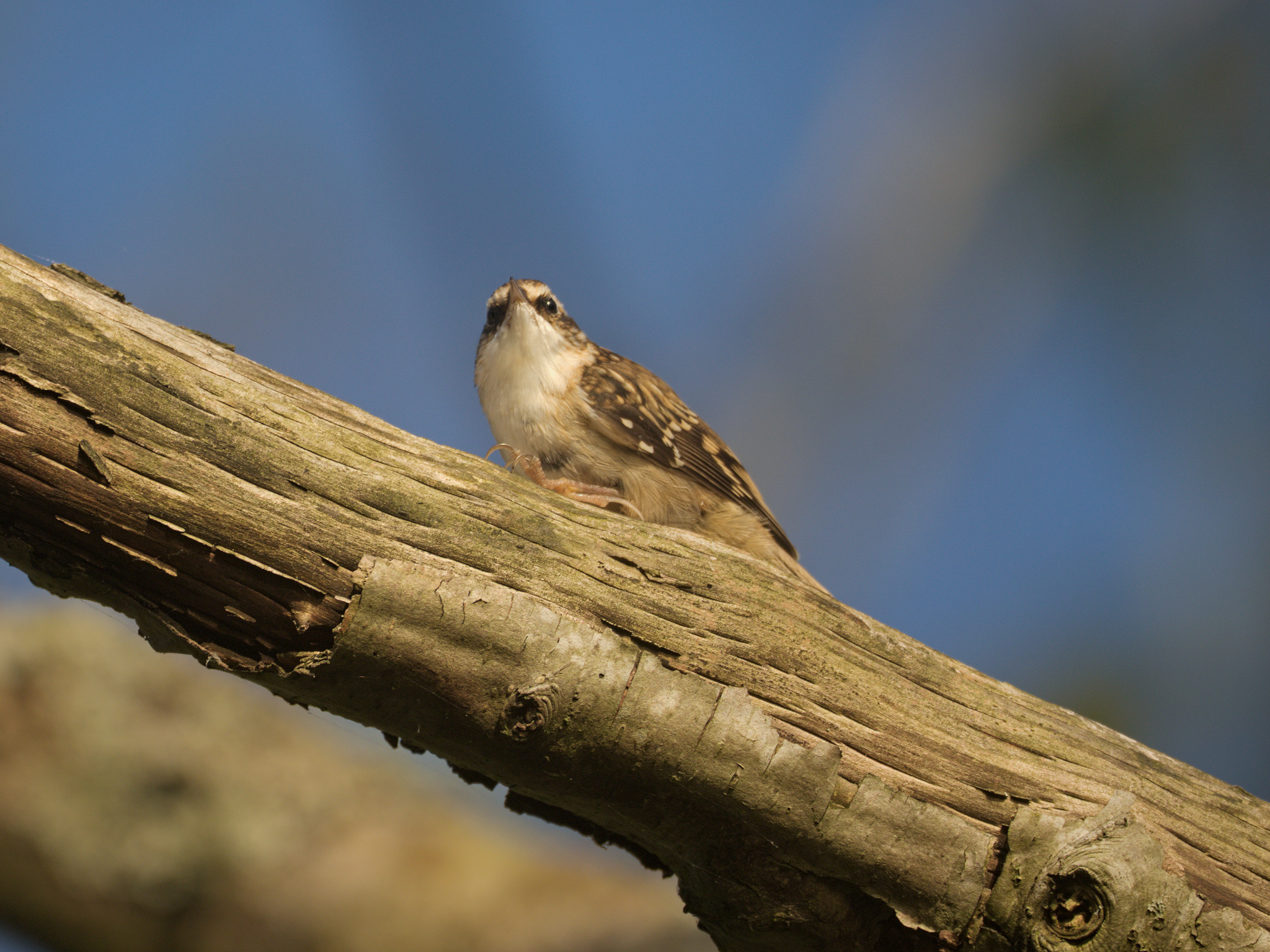
Brown Creeper (Certhia americana)
A head-on portrait of a Brown Creeper in the morning sunlight.
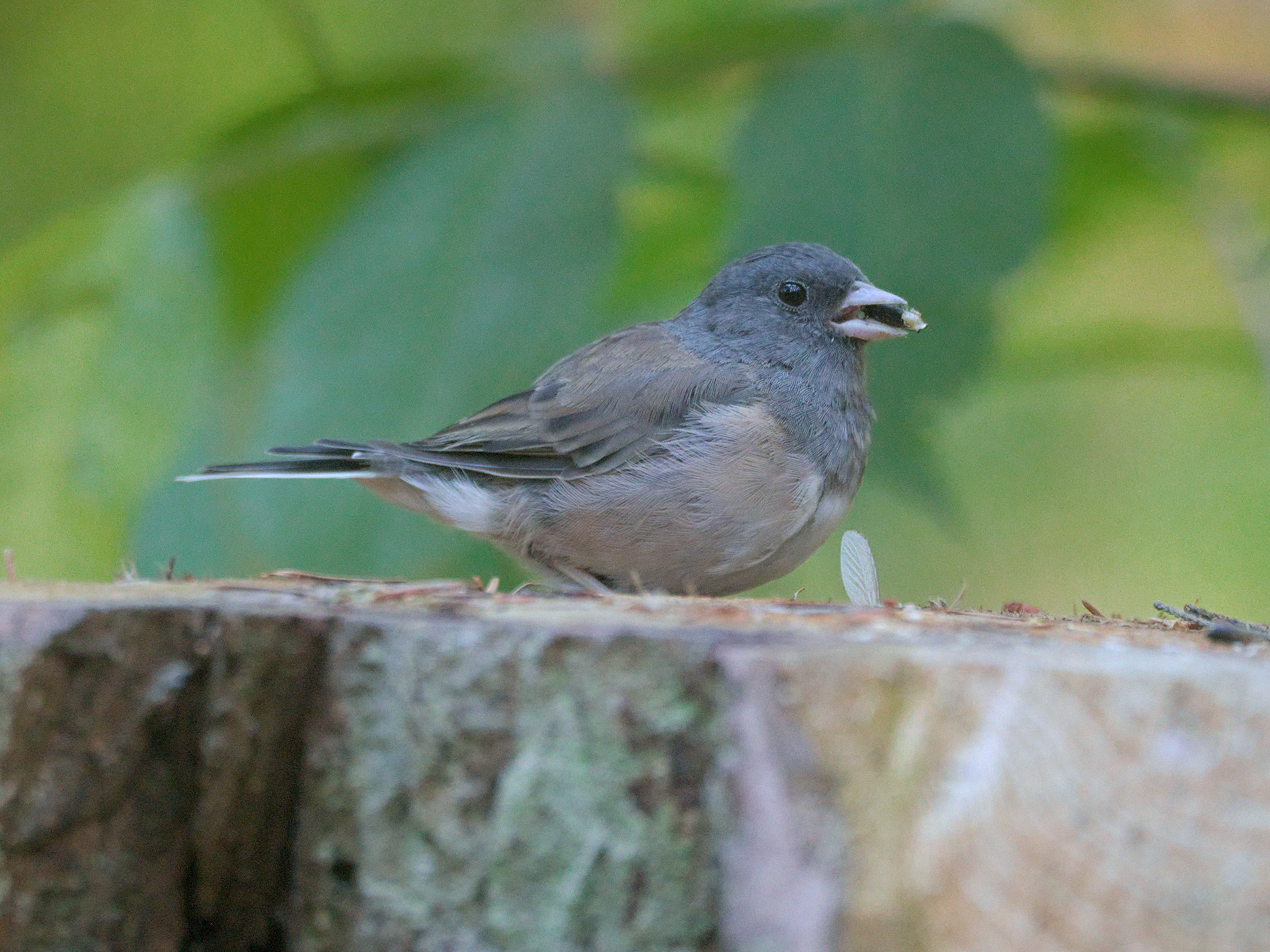
Dark-eyed Junco (Junco hyemalis)
Dark-eyed Juncos are altitudinal migrants, generally spending their summers on nearby mountians. A few seem to skip the migration and breed on the coast. It’s often possible to find a pair or two while walking the inner trails of the park.
Douglas Squirrel (Tamiasciurus douglasii)
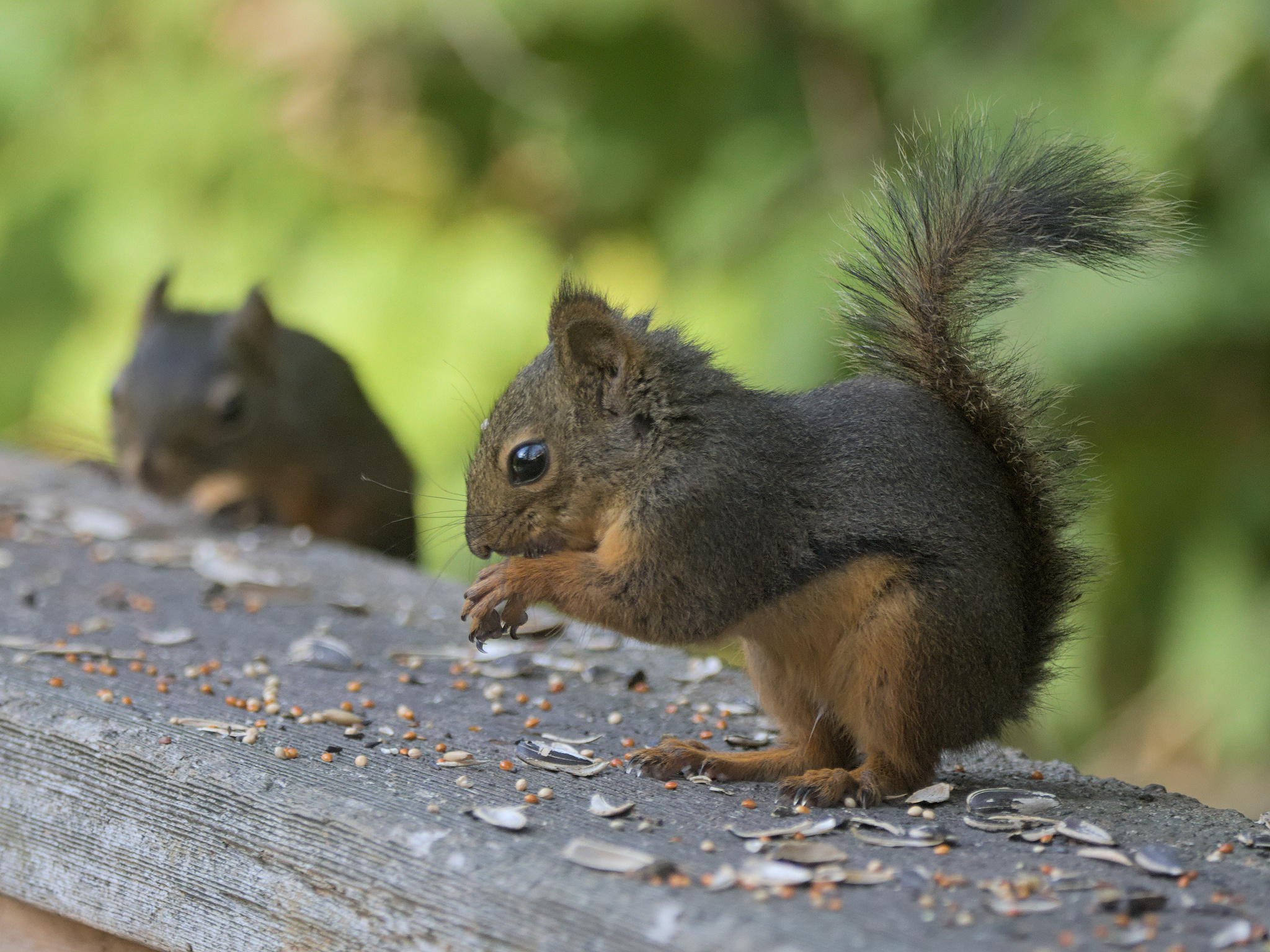
Douglas Squirrels are common throughout the forested areas of the park. They’re often very vocal and can confuse birders not familliar with their vocalizations. Here’s a video highlighting their behaviour and calls.
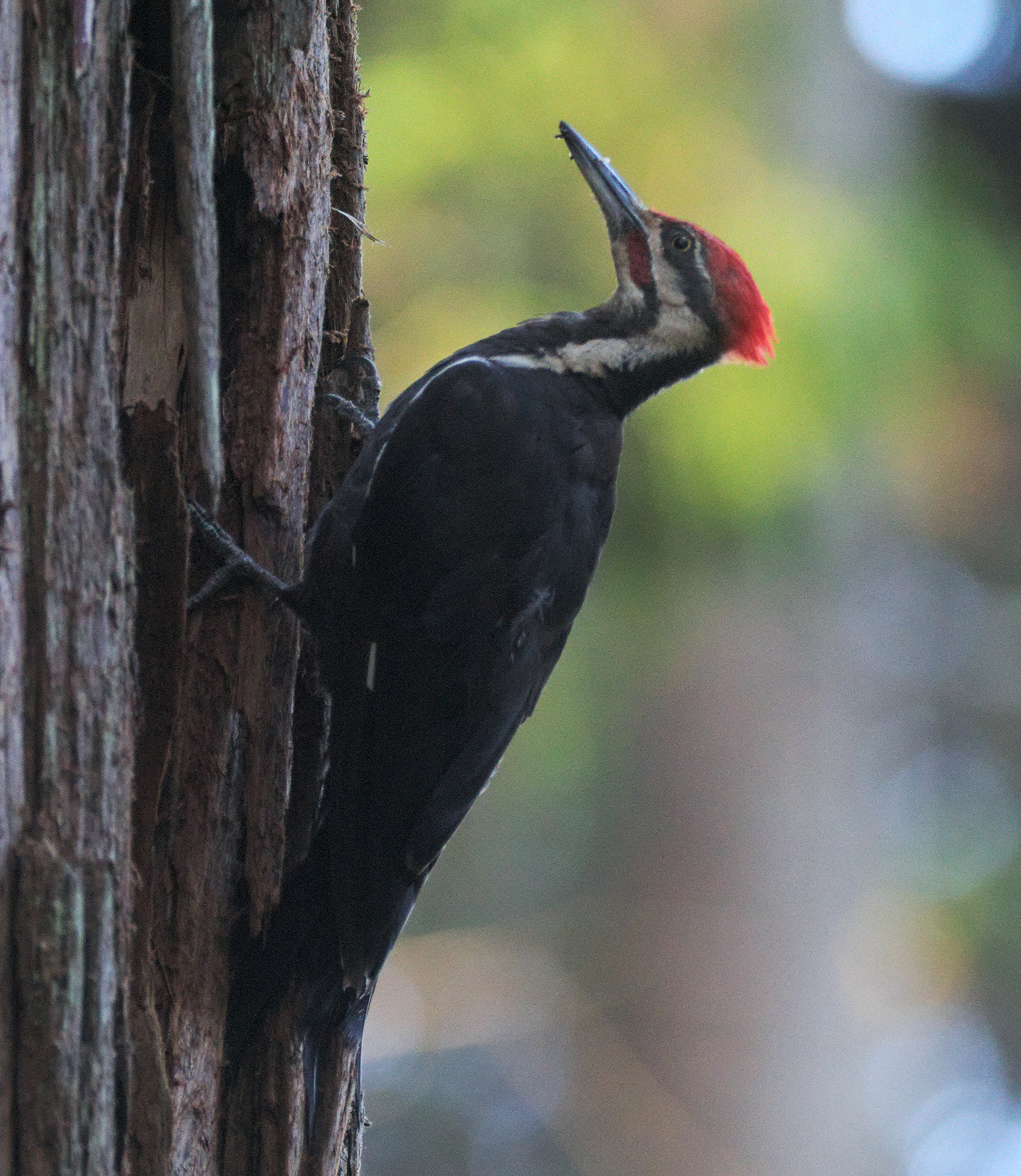
Pileated Woodpecker (Dryocopus pileatus)
Spend enough time around Stanley Park and you’ll have the good luck of spotting (or at least hearing) a Pileated Woodpecker. These are the largest woodpeckers in North America, and there’s at least one family that lives in the park.
Until next time…