Gull Nest Survey, Jul 23rd

- 4 mins read

Series: Nesting Gulls 2026

Recently, I found myself contemplating a question: how long has it been since I’ve gone a day without a screen?

I can’t answer that easily. I suspect almost all of us would have to go back to before we all had cellphones. Even before that screens were still ubiquitous. Televisions and computers were everywhere.

At this point in history, it’s difficult to imagine the world without them. There’s that old adage about never being more than six feet away from a rat. I suspect that debunked claim now holds true for screens.

A screen was originally something to divide or conceal. Think of a folding screen used for privacy. A screen can also be a filter. It could be a screen on your window to keep out insects, or the process of screening prospective employees for a position.

It’s difficult to deny that our screens can act as a portal to community and connection (or a shimmering digital illusion of it?), but we need to keep in mind those older resonances of the word: how do the screens continue to divide, conceal, and filter?

That aside, let’s move on to the nests.

Cambie Nest

Cambie Nest

Cambie Nest

One of the three fledglings from Cambie Nest sitting in the curious way many young do. I call this the old man stage of their development. Their juvenile feathers have grown in, but they still retain awkward patches of their down around their heads.

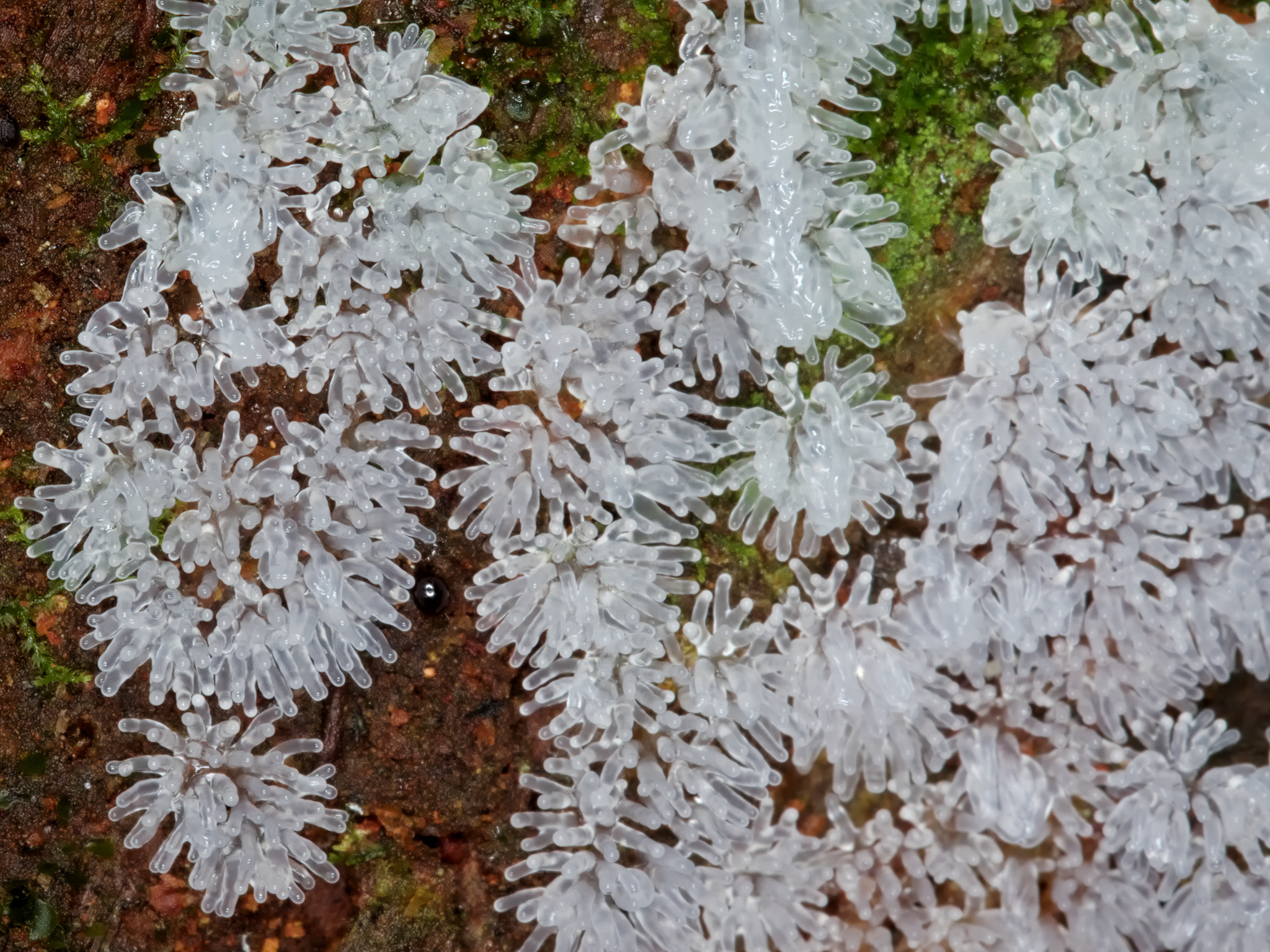
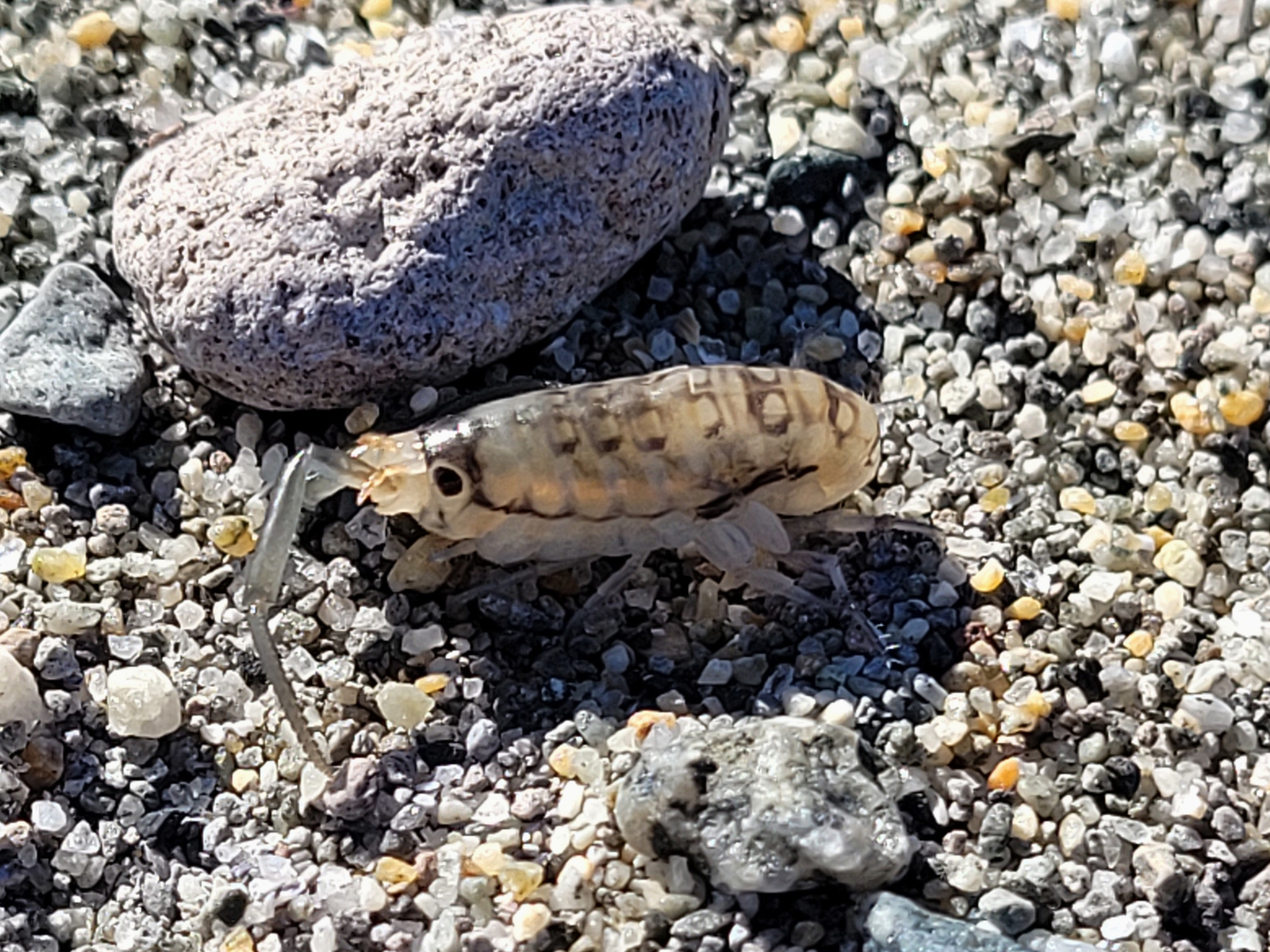
I made it out this morning for my weekly gull nest survey. A few surprises, including a new nest location I’ve never seen before. I’ll try and have a post up in a day or two about it. Until then, here’s a collection of recent photos of some curious plants, slime moulds, fungi, and a wasp.

Monotropa uniflora

Monotropa uniflora

Monotropa uniflora

A recent tip from a friend got me out in search of Monotropa uniflora, also know as Ghost Pipe. These are some weirdo plants that have given up their chlorophyll and can no longer photosynthesize. Instead, they are mycoheterotrophic – they parasitize fungus to obtain the nutrients and energy they need to grow.

Gull Nest Survey, Jul 9th

- 4 mins read

Series: Nesting Gulls 2026

I’m late with this update because I’ve spent the last two days searching out some mycoheterotrophic plants around Metro Vancouver. More on those in another post.

I won’t rant too long about it, but a recent post on The Convivial Society entitled Feeding on Illusions has stuck with me since reading it. An excerpt that succinctly summarizes why I try and get away from screens and into the real world:

… a simulation, however compelling or sophisticated, will always be an illusion. And we will know this chiefly by attending to our own subsequent experience: “when you eat illusions you end up hungrier than before.”

I have to acknowledge that these photos are ultimately illusions too. Pixels of red, green, and blue transmitted through unfathomable systems to get from my camera to your screen. I can only trust they act as a gateway to get you looking more closely at the world.

Lots of activity at the nests – let’s get a start.

Cambie Nest

Cambie Nest

Cambie Nest

Upon arriving at Cambie Nest, I could only see one chick of the three on the chimney platform. Not entirely surprising – they tend to fall or jump down to the lower roof once they get older.